Explore our primary selection of ultra-compact eccentric rotating mass (ERM) motors and micro DC vibration systems, engineered for tactical feedback, medical alerting systems, and precision beauty devices.
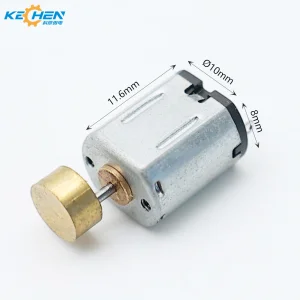
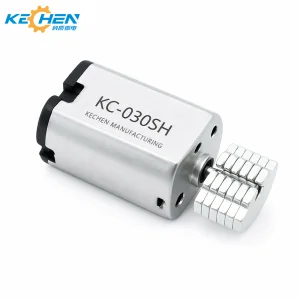
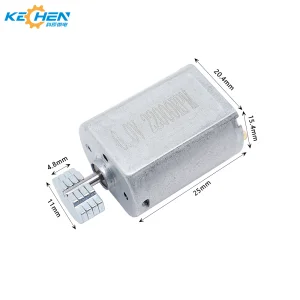
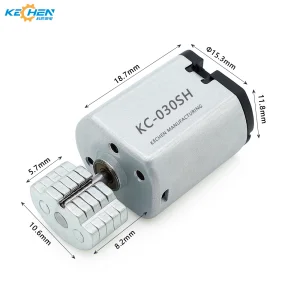
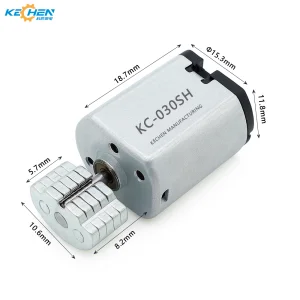
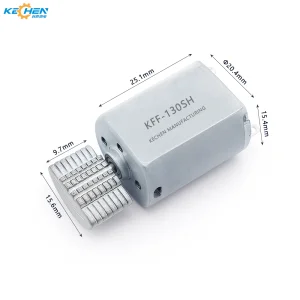
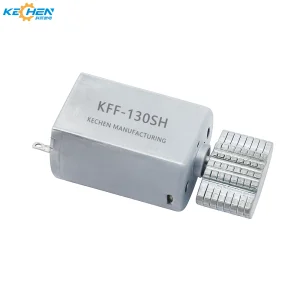
At Axon Motor, we operate with a singular, guiding conviction: global electromechanical innovation shouldn't be constrained by spatial boundaries. For over two decades, our engineering divisions have focused on designing, manufacturing, and perfecting robust, high-performance micro-drive systems that power modern industry. Operating from our advanced, ISO9001-certified manufacturing complexes in China, we specialize in high-precision Micro DC Motors, DC Gear Motors, and Brushless DC Motors (BLDC).
Our micro motors are engineered with extreme power-to-size density, minimal acoustical profiles, and long operational life cycles. These features make them ideal for demanding applications in automotive interiors, smart home environments, advanced medical equipment, and precise robotic joints.
Axon Motor serves as a collaborative R&D partner for industrial clients globally. Backed by our engineering staff and patent catalog, we develop custom solutions under strict NDA standards, offering tailored shaft diameters, custom voltage profiles, and advanced gearhead integration.

Procuring small vibration motors for high-volume manufacturing demands balancing technical specifications with supply chain reliability. In segments like consumer electronics, medical diagnostics, and automotive haptics, the motor represents a critical mechanical failure point. An unreliable motor directly impacts device reliability and brand reputation.
Procurement teams face challenges with supply consistency and raw material fluctuations, particularly with rare-earth magnets. Axon Motor addresses this through long-term raw material contracts, multi-source supplier agreements, and comprehensive QA testing of incoming shipments.
In consumer products like beauty rollers or massagers, pricing pressure often leads to using low-grade brush commutators, reducing operating life to under 50 hours. For medical and industrial devices, this limit is unacceptable. Global buyers look for:
Miniature vibration technology has evolved from simple paging alerts to complex haptic feedback systems. This evolution relies on two primary motor architectures: Eccentric Rotating Mass (ERM) motors and Linear Resonant Actuators (LRA). As design space shrinks, selecting the correct mechanical configuration becomes vital for performance.
| Motor Category | Typical Drive Signals | Response Time | Vibration Axis | Common Applications |
|---|---|---|---|---|
| Cylindrical/Bar ERM | DC Voltage (Constant) | 50ms - 120ms | Radial (2D Plane) | Cosmetic instruments, handheld massagers, toy actuators |
| Coin/Flat ERM | DC Voltage (Pulse Width Modulated) | 60ms - 150ms | Z-Axis & Radial | Wearables, mobile phones, low-profile consumer tech |
| Linear Resonant (LRA) | AC Sine Wave (Resonant Freq) | 10ms - 30ms | Linear (Single Axis) | Automotive haptic displays, high-end smartphones, medical alarms |
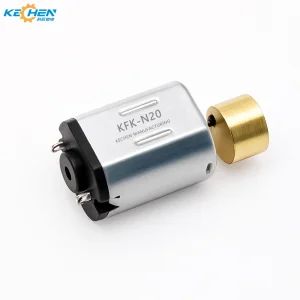
Medical applications demand highly reliable haptic alerts. Motors like our N20 precision series offer distinct, repeatable vibration signals for critical medical monitoring equipment.
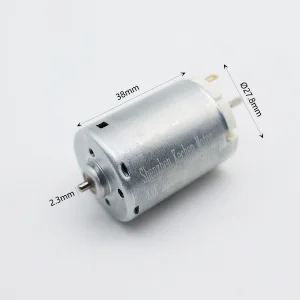
Devices such as sonic cleansers and micro-vibration massagers require compact, high-speed motors. The M20 and 030 series deliver stable vibration frequencies at low voltages.
Infotainment screens and driver-assist alerts rely on high-torque, robust vibration components. These parts must operate reliably across wide temperature ranges (-40°C to +85°C).
Our automated production facility utilizes real-time tracking, precision winding machines, and multi-stage testing to maintain dimensional accuracy and performance consistency across high-volume production runs.
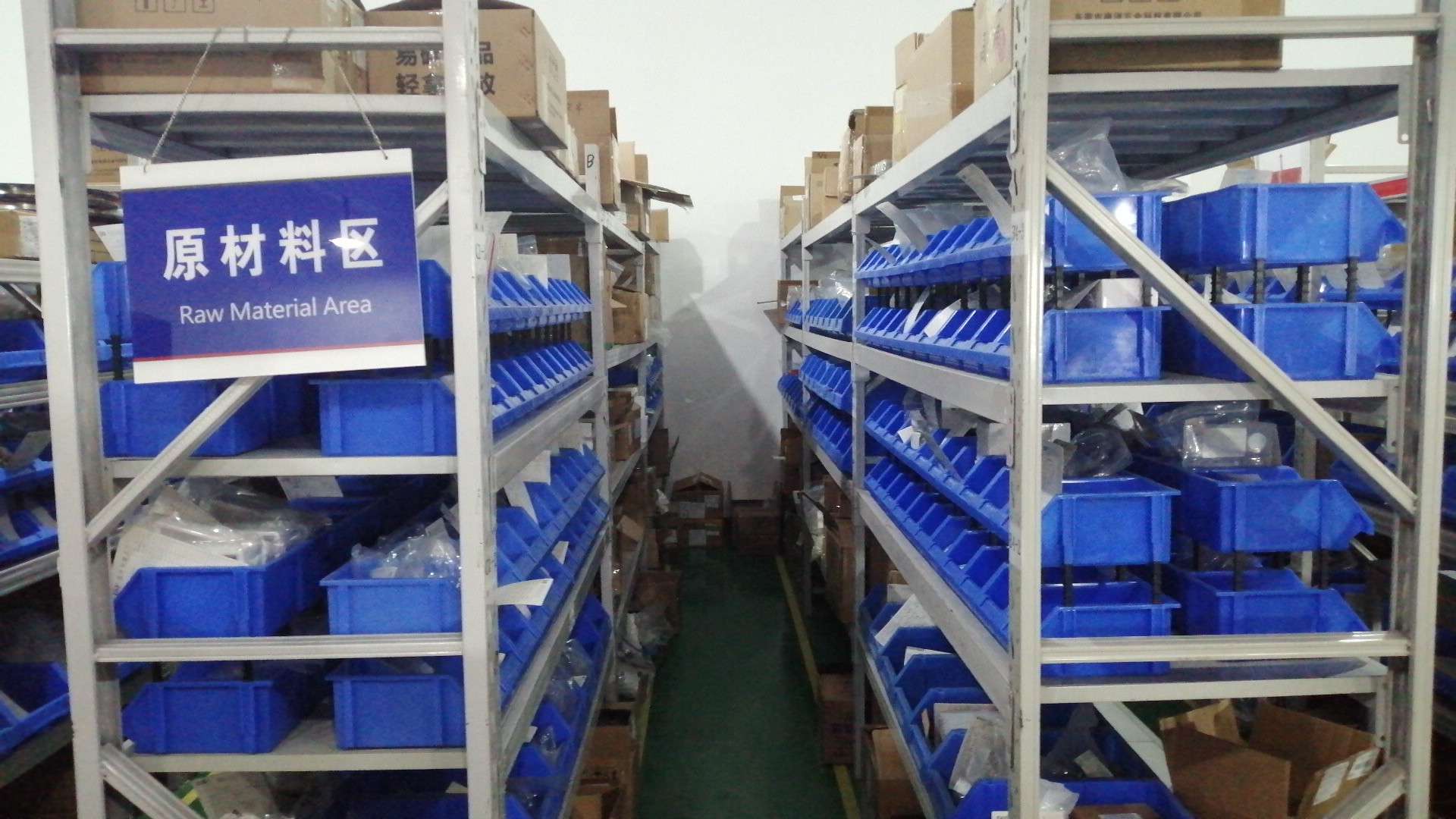
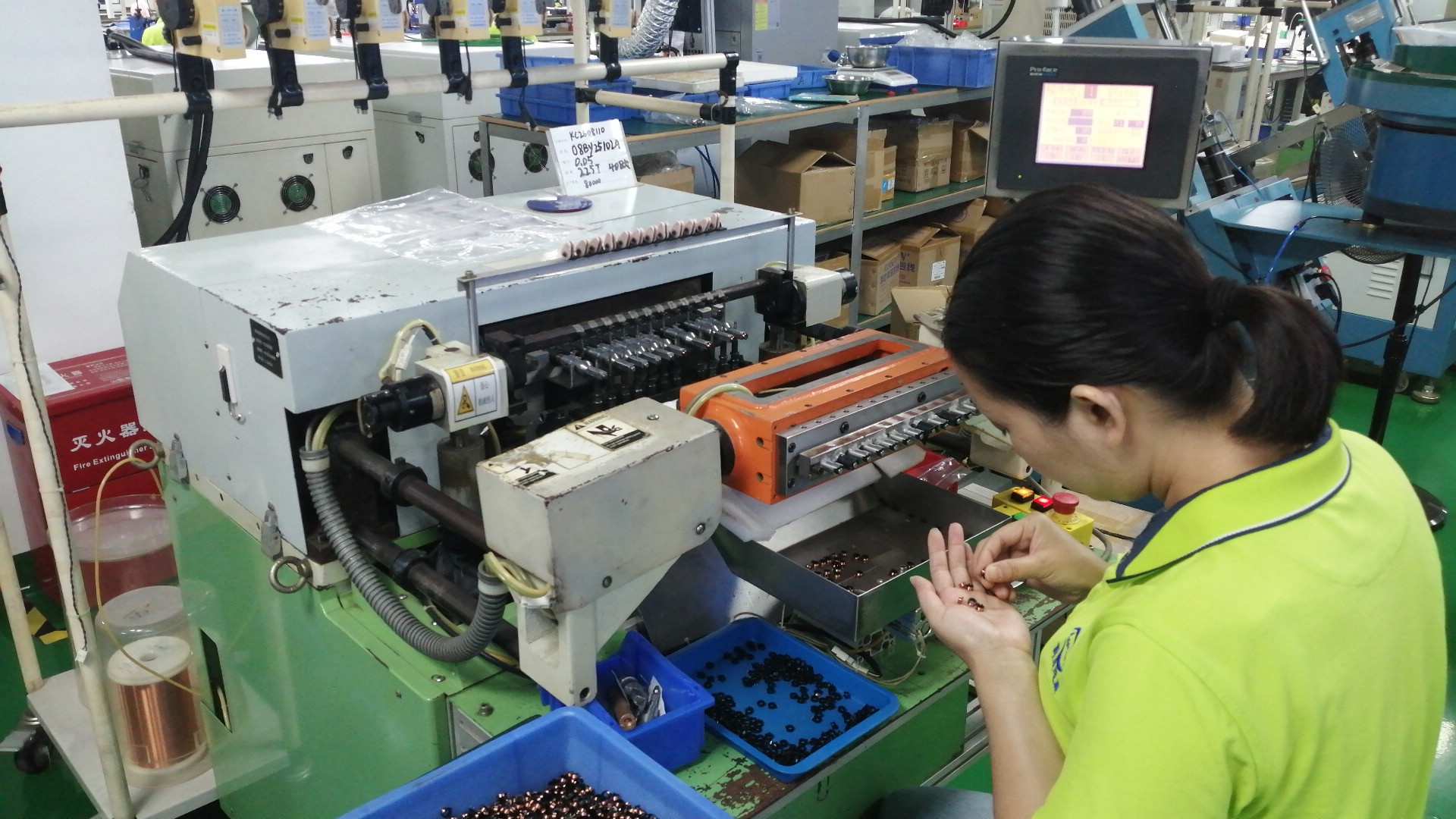
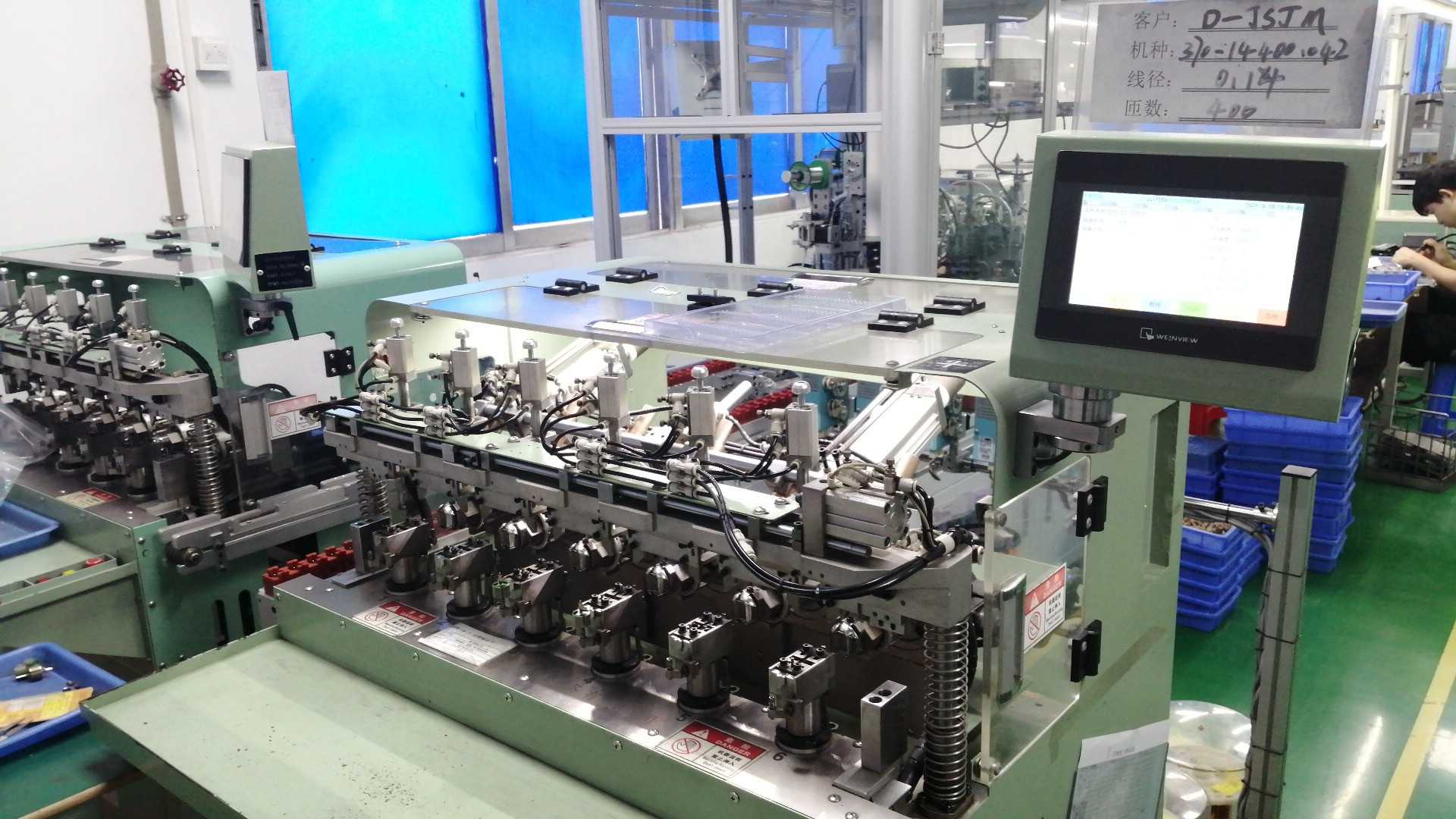
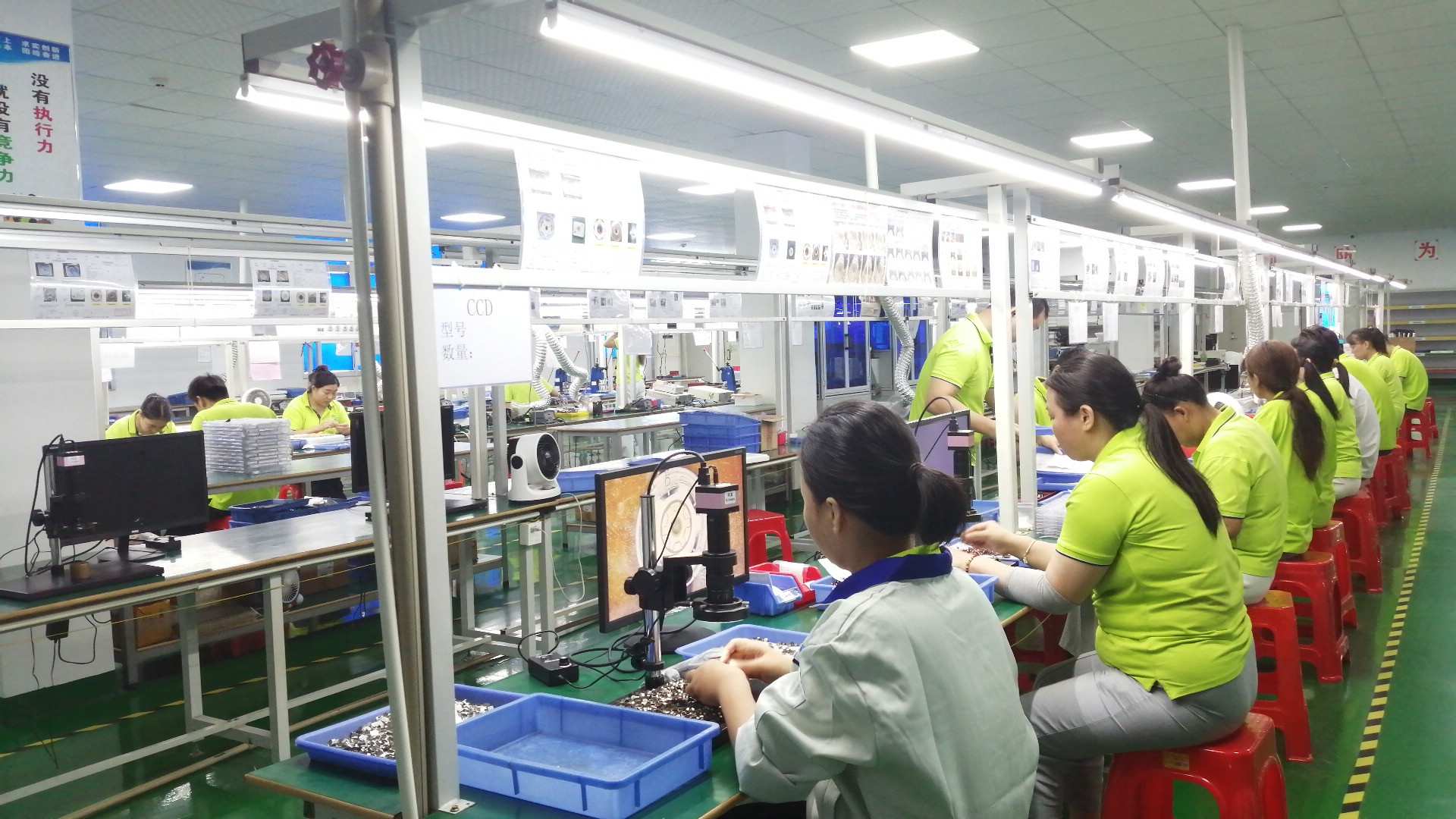
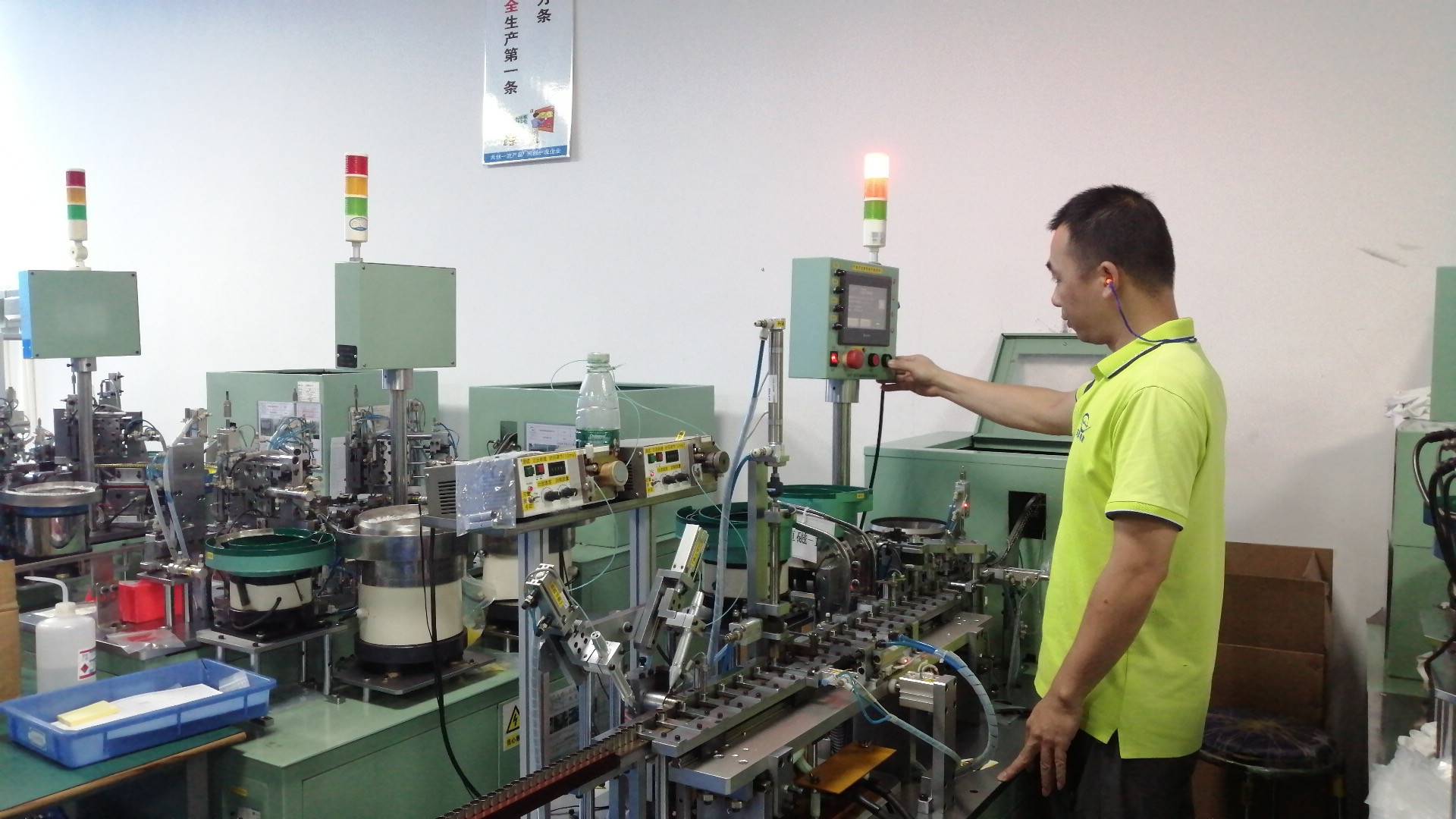

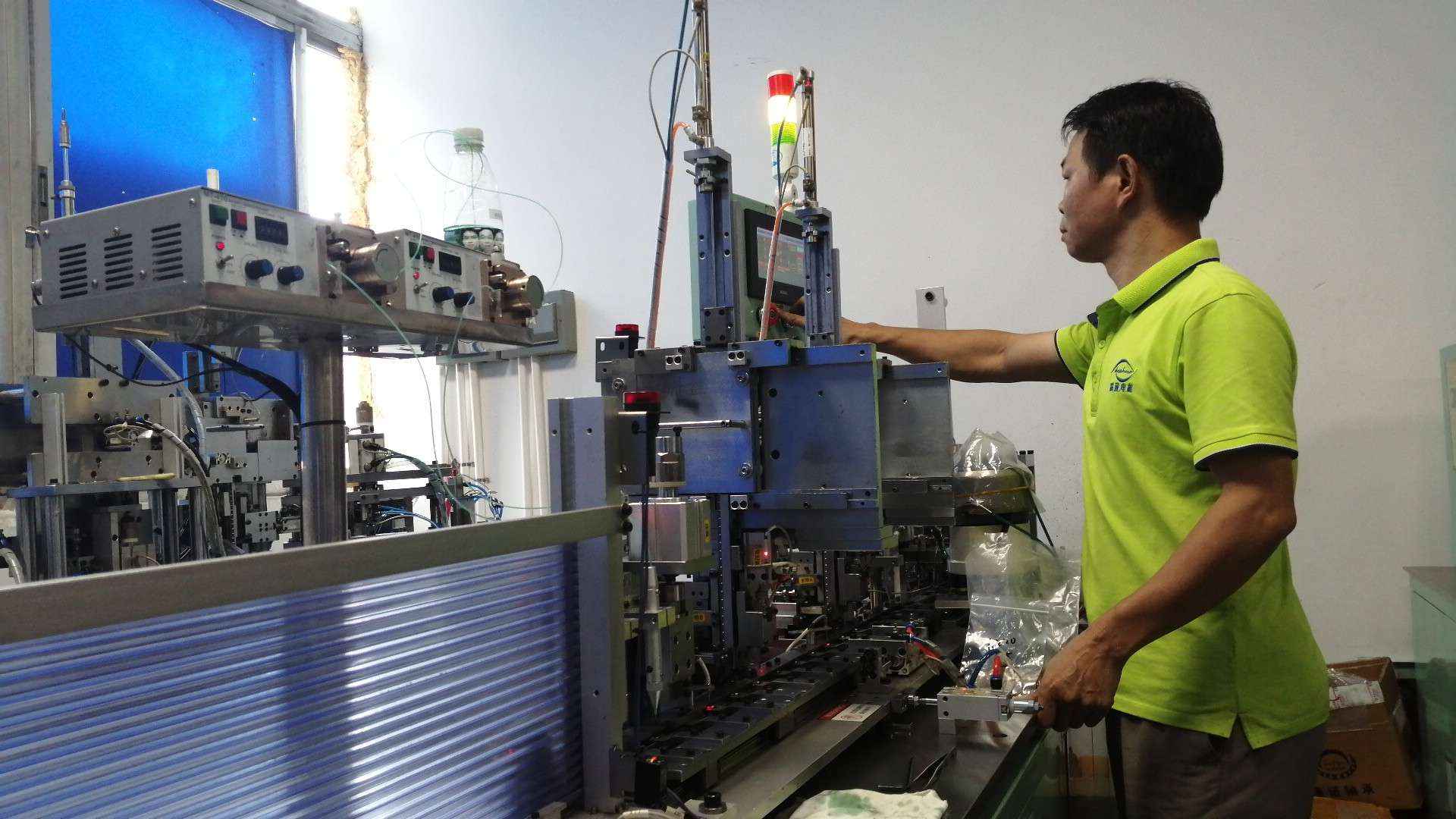
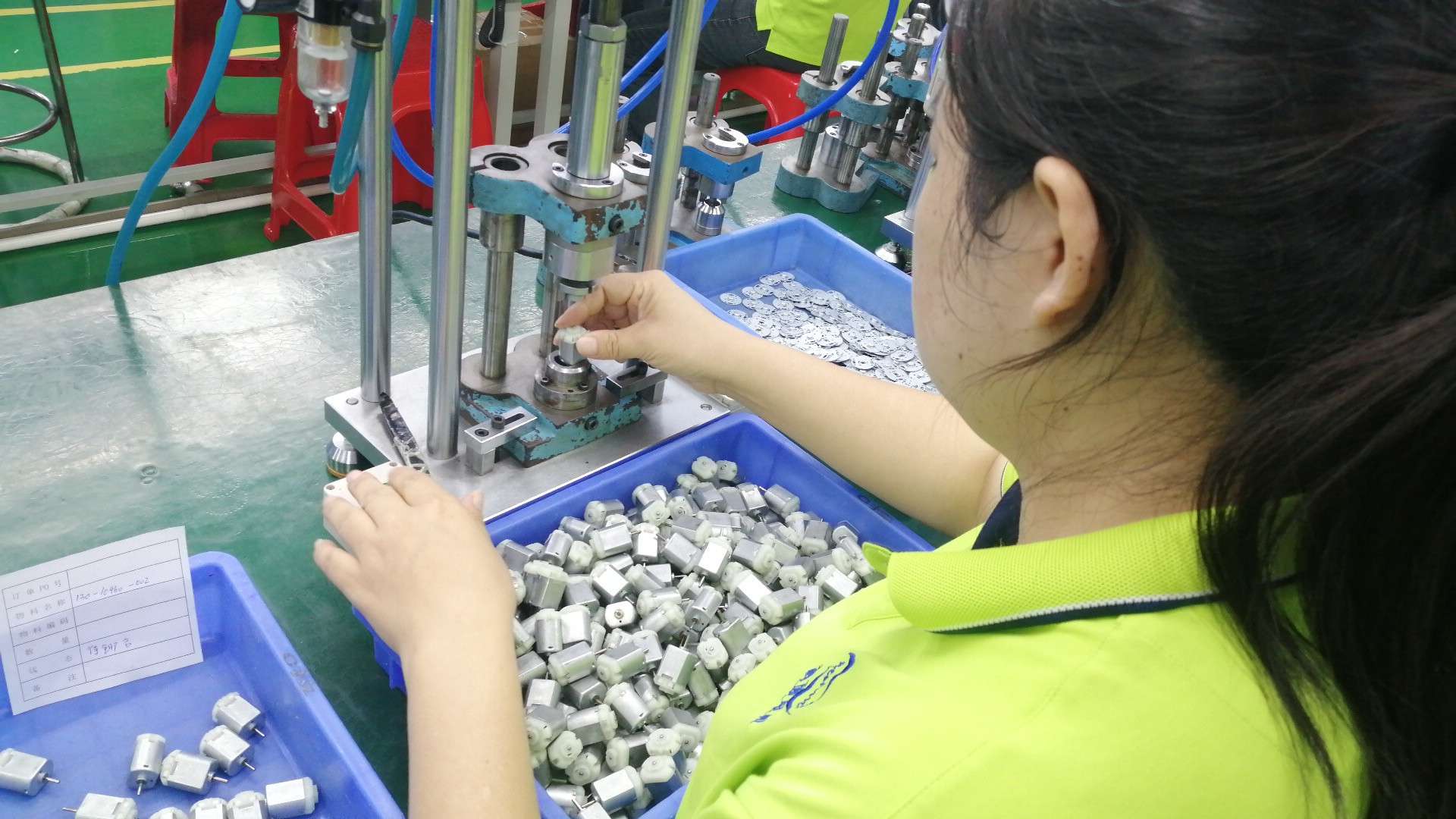
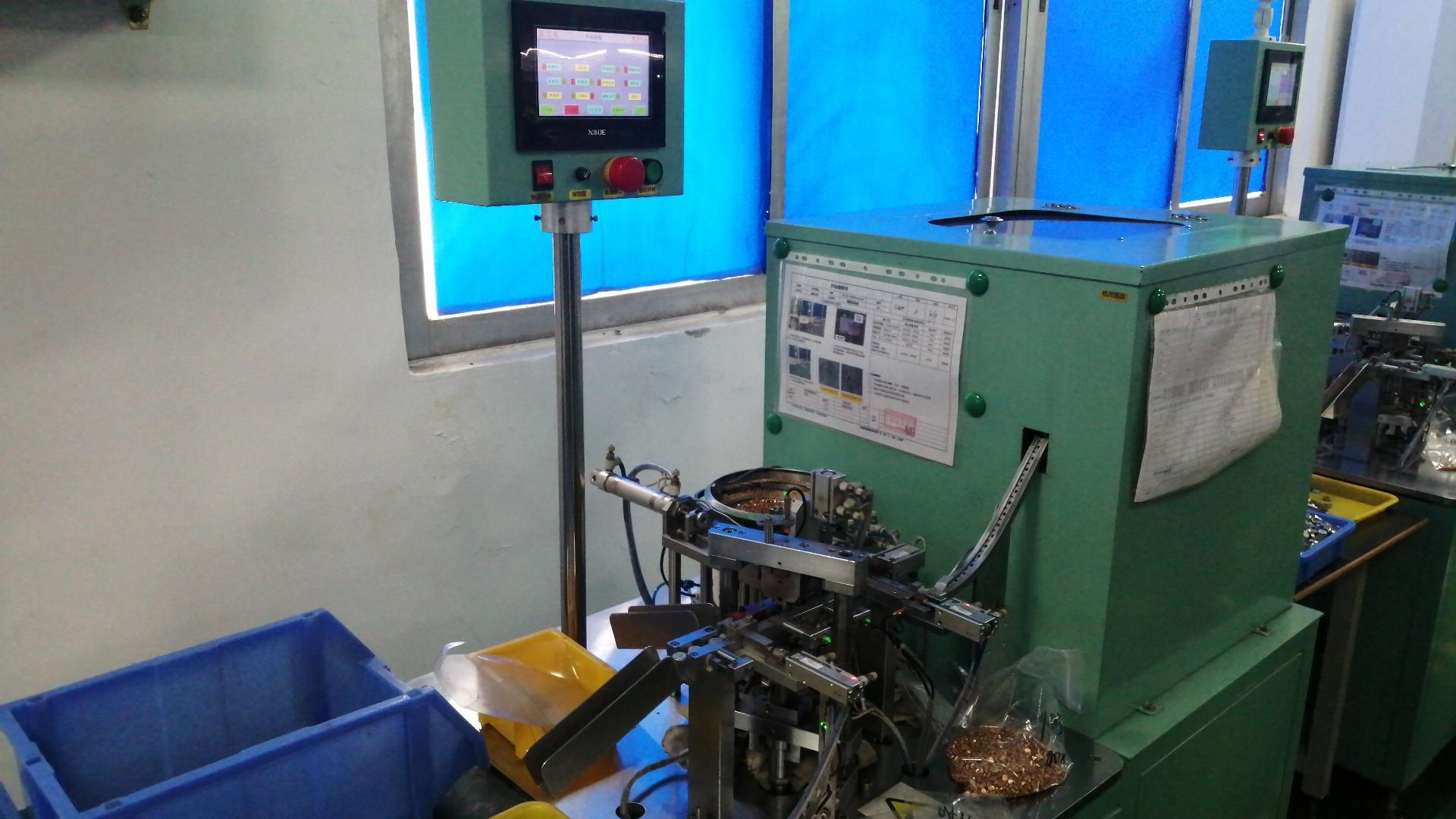
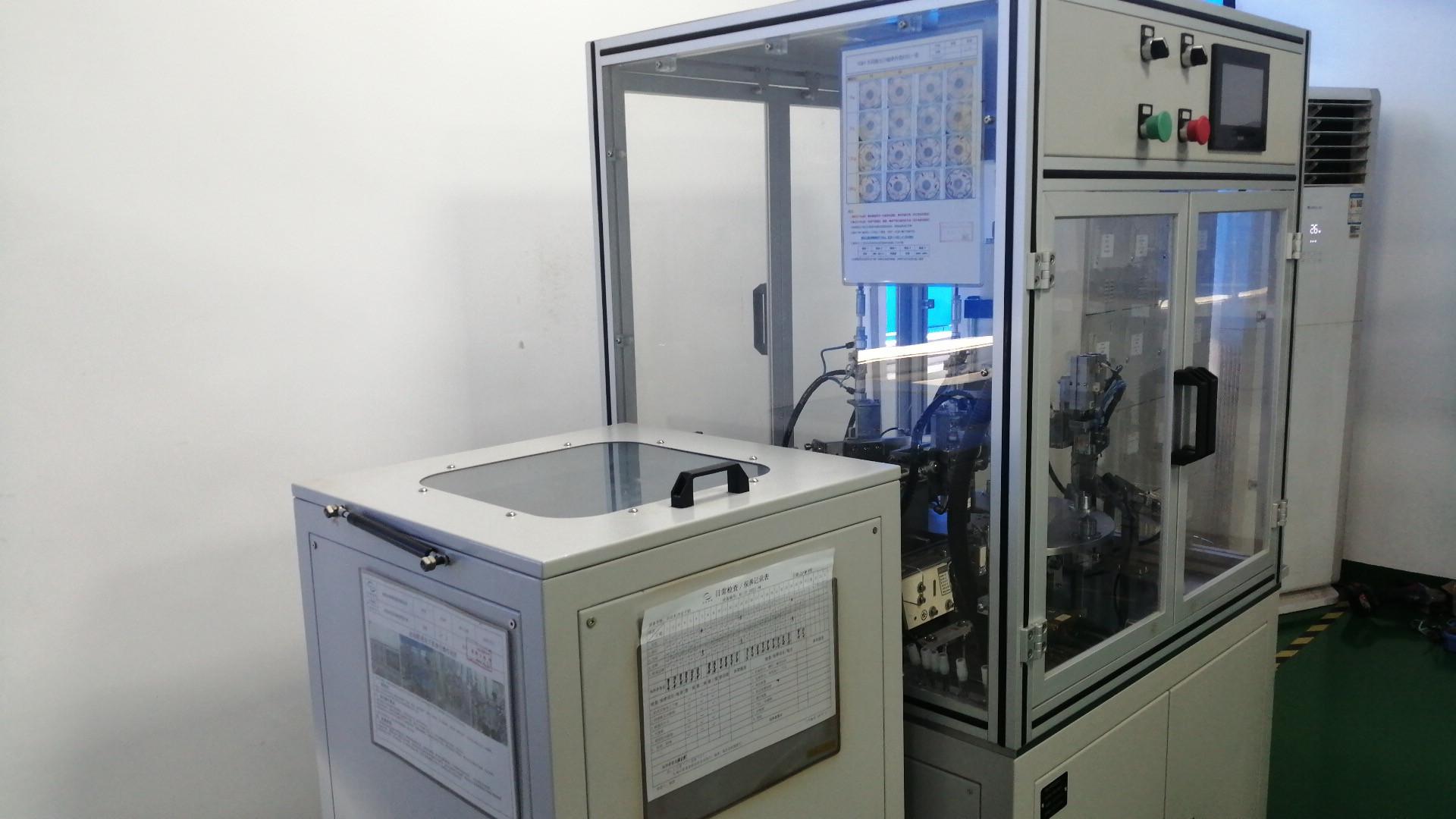
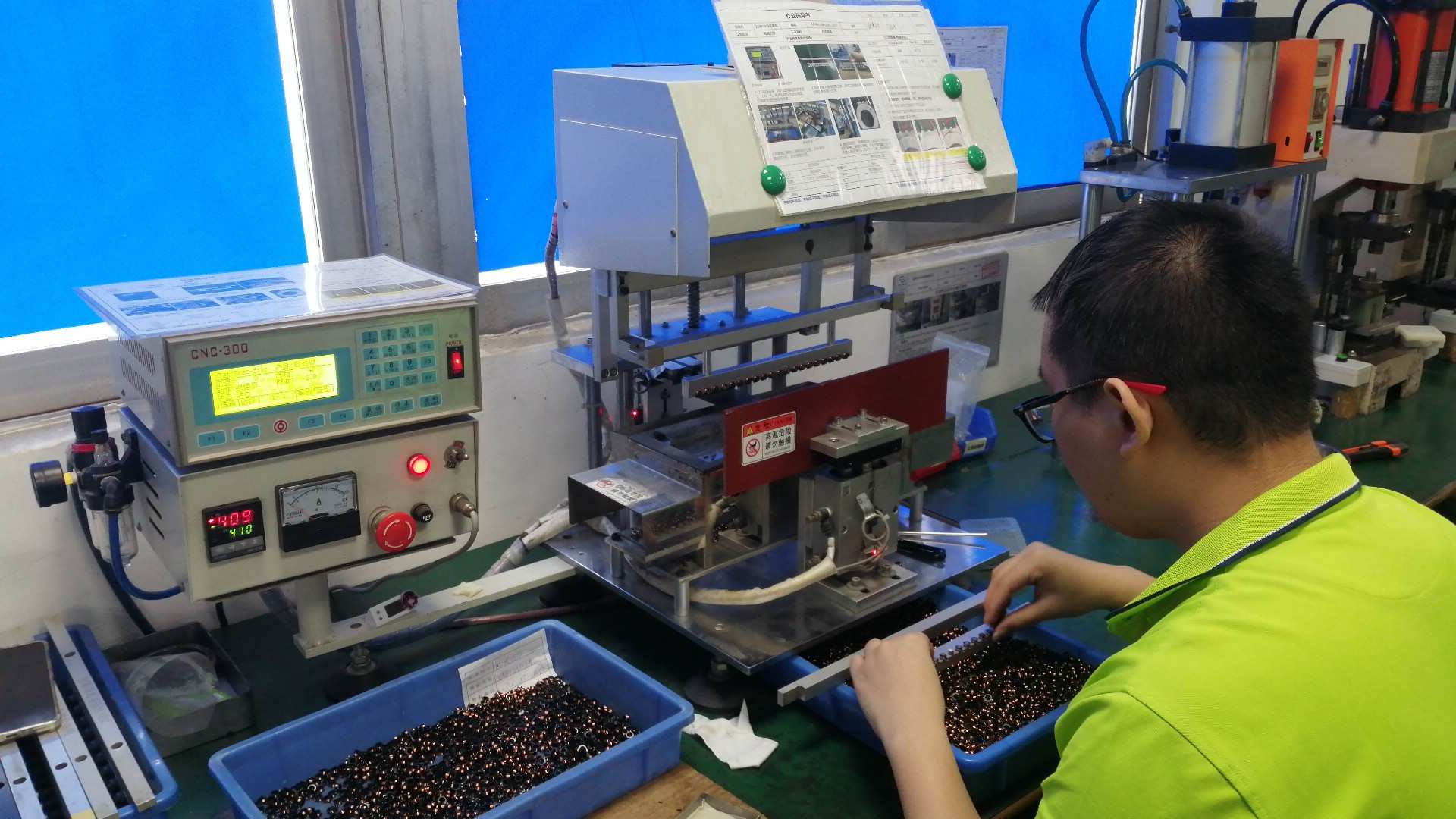
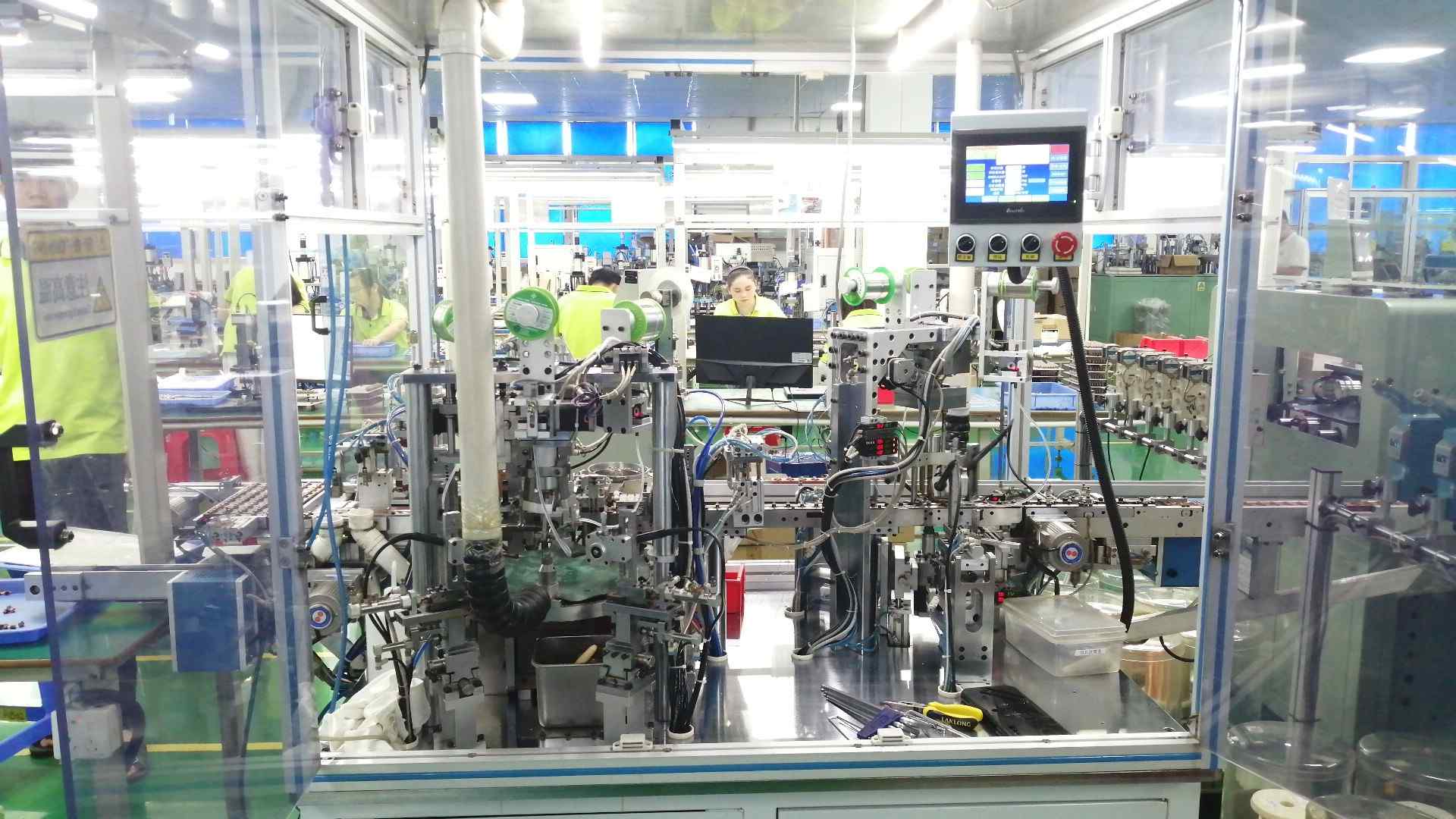
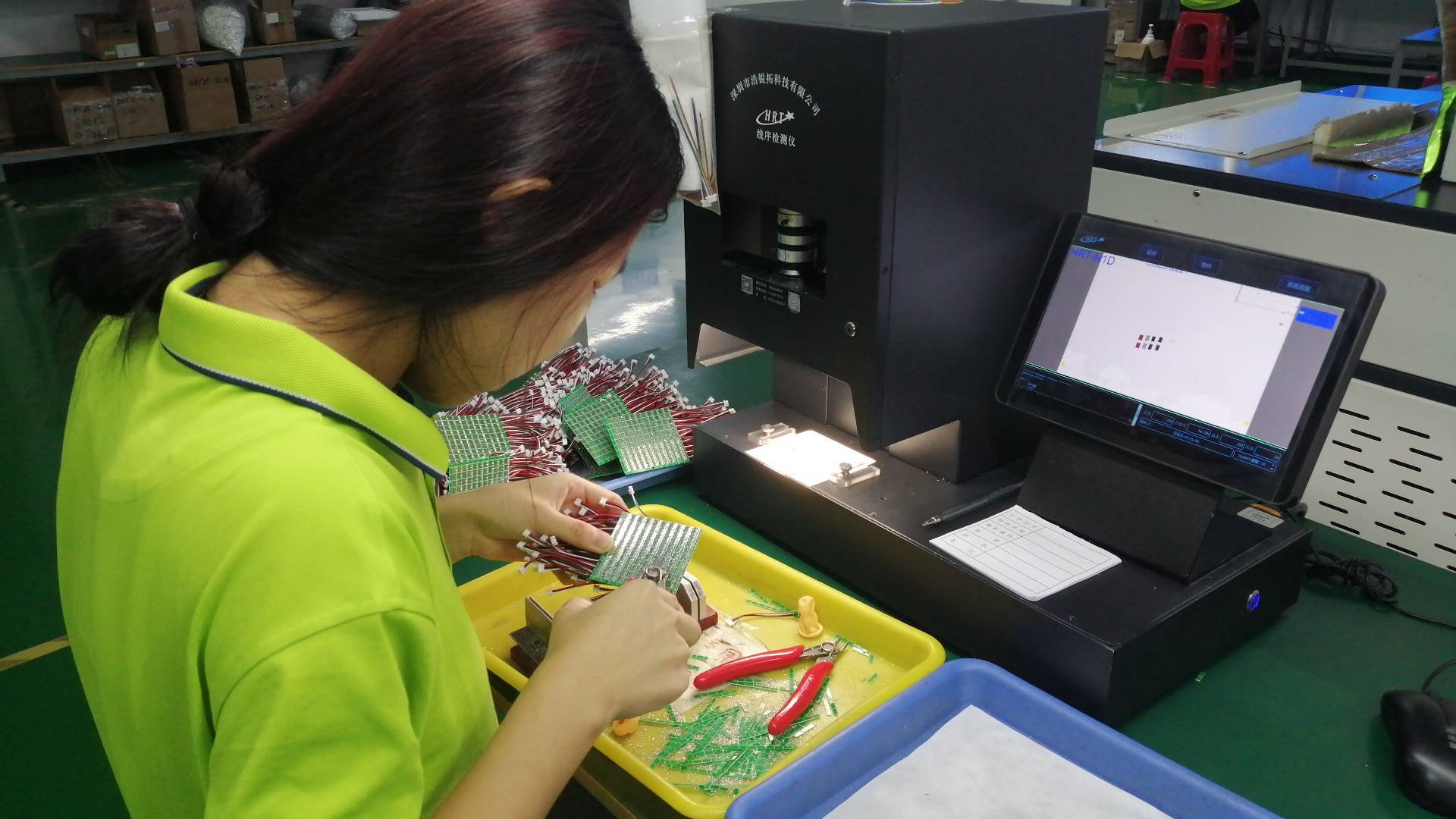
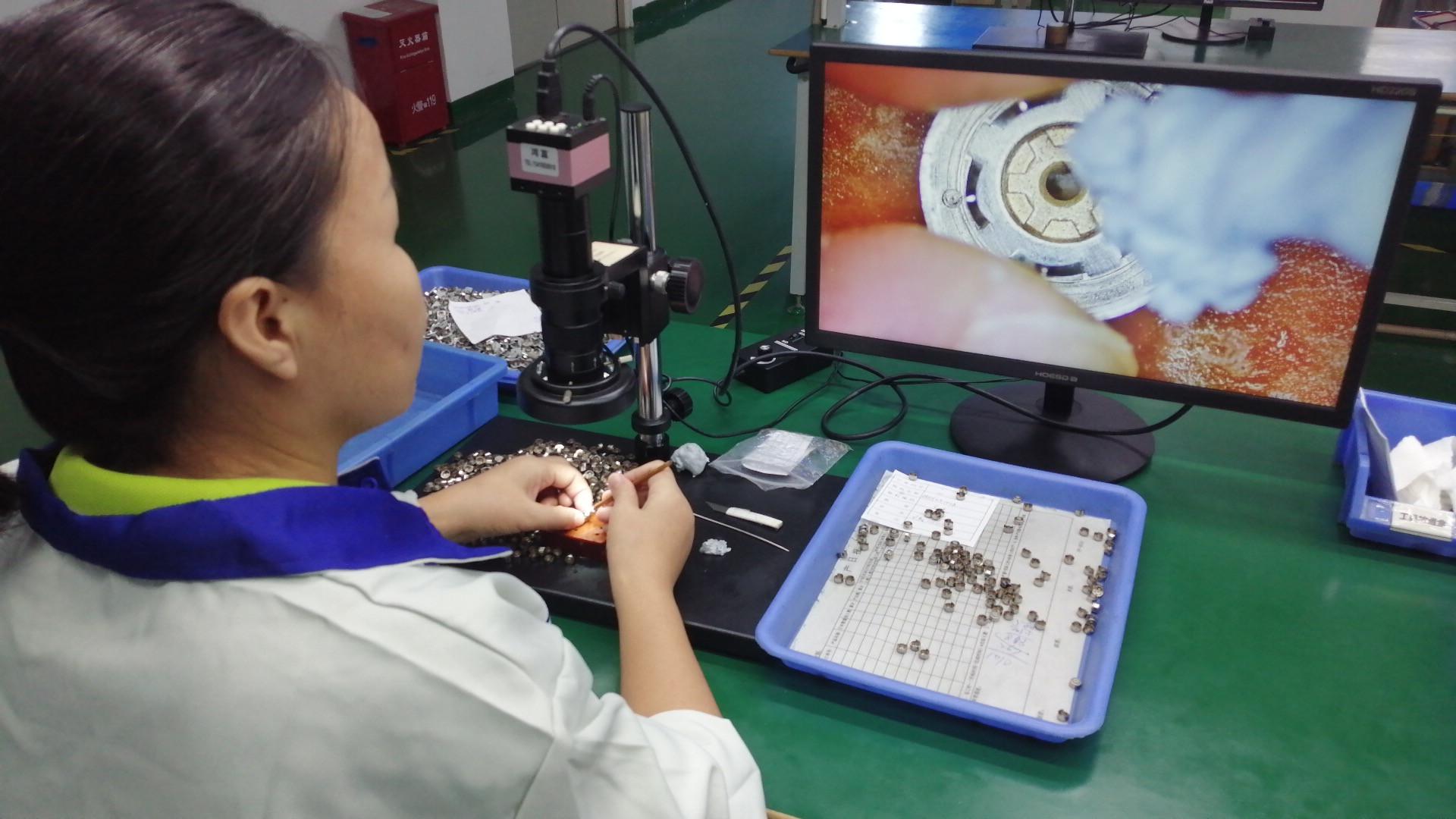
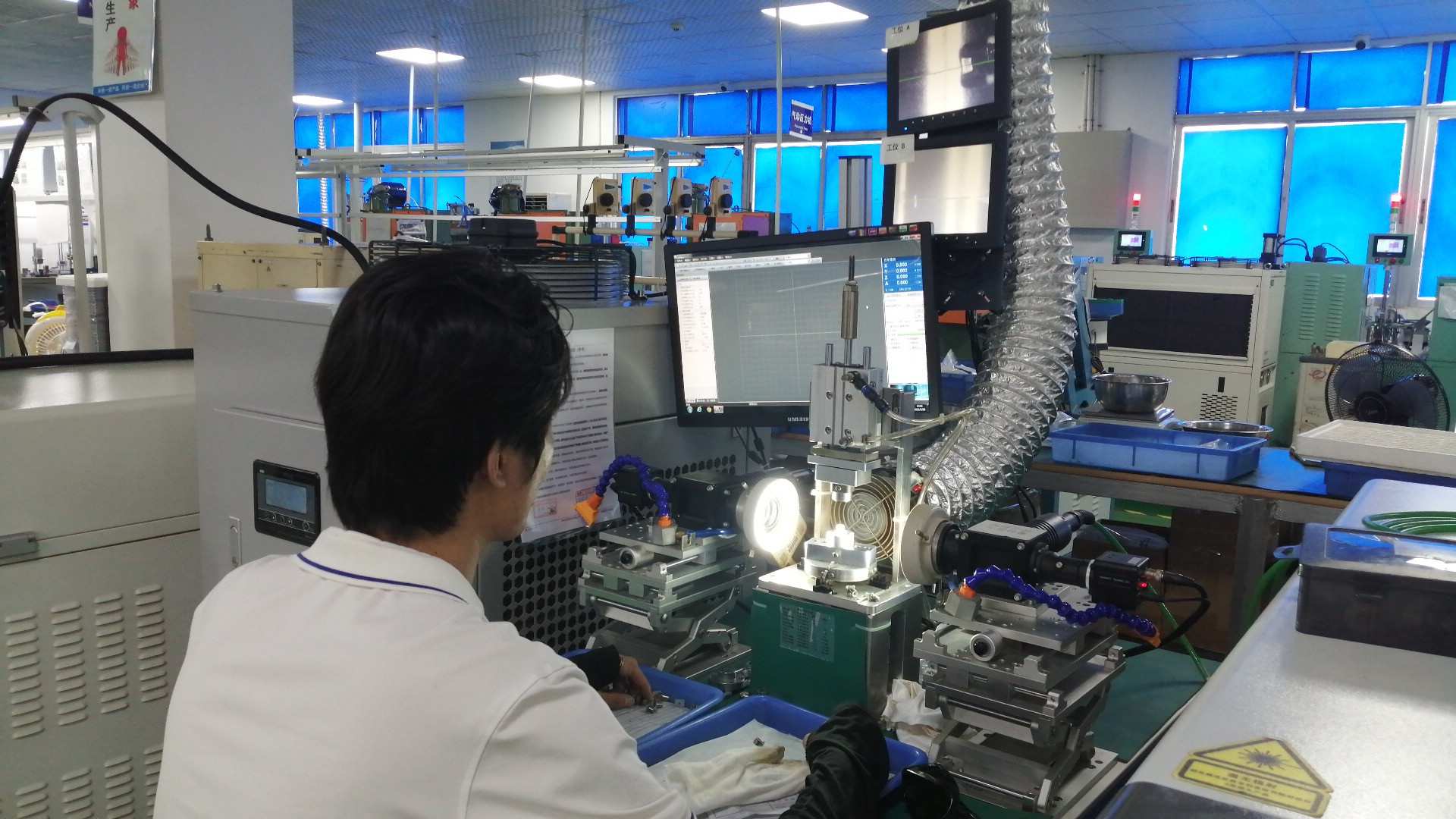
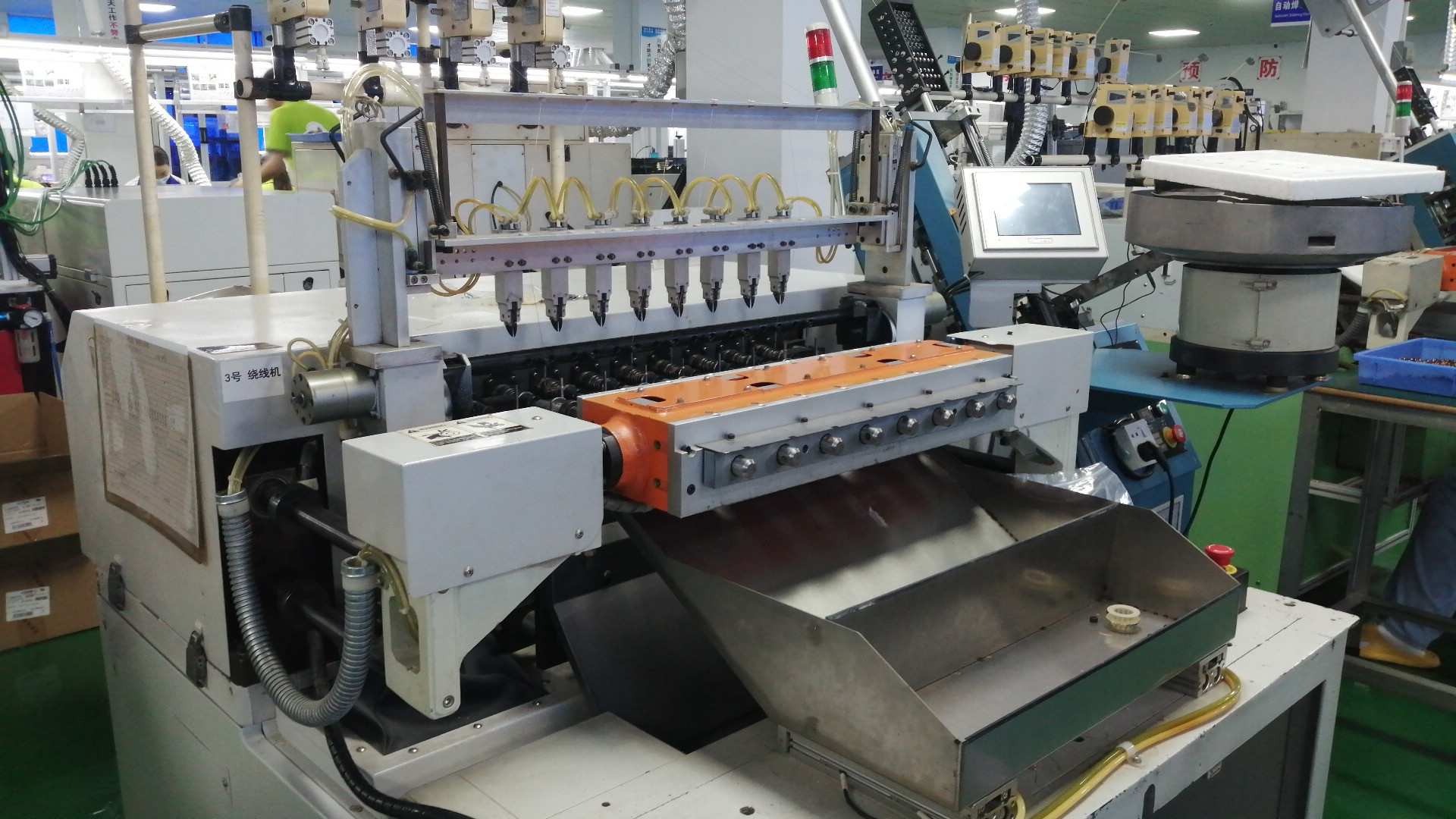
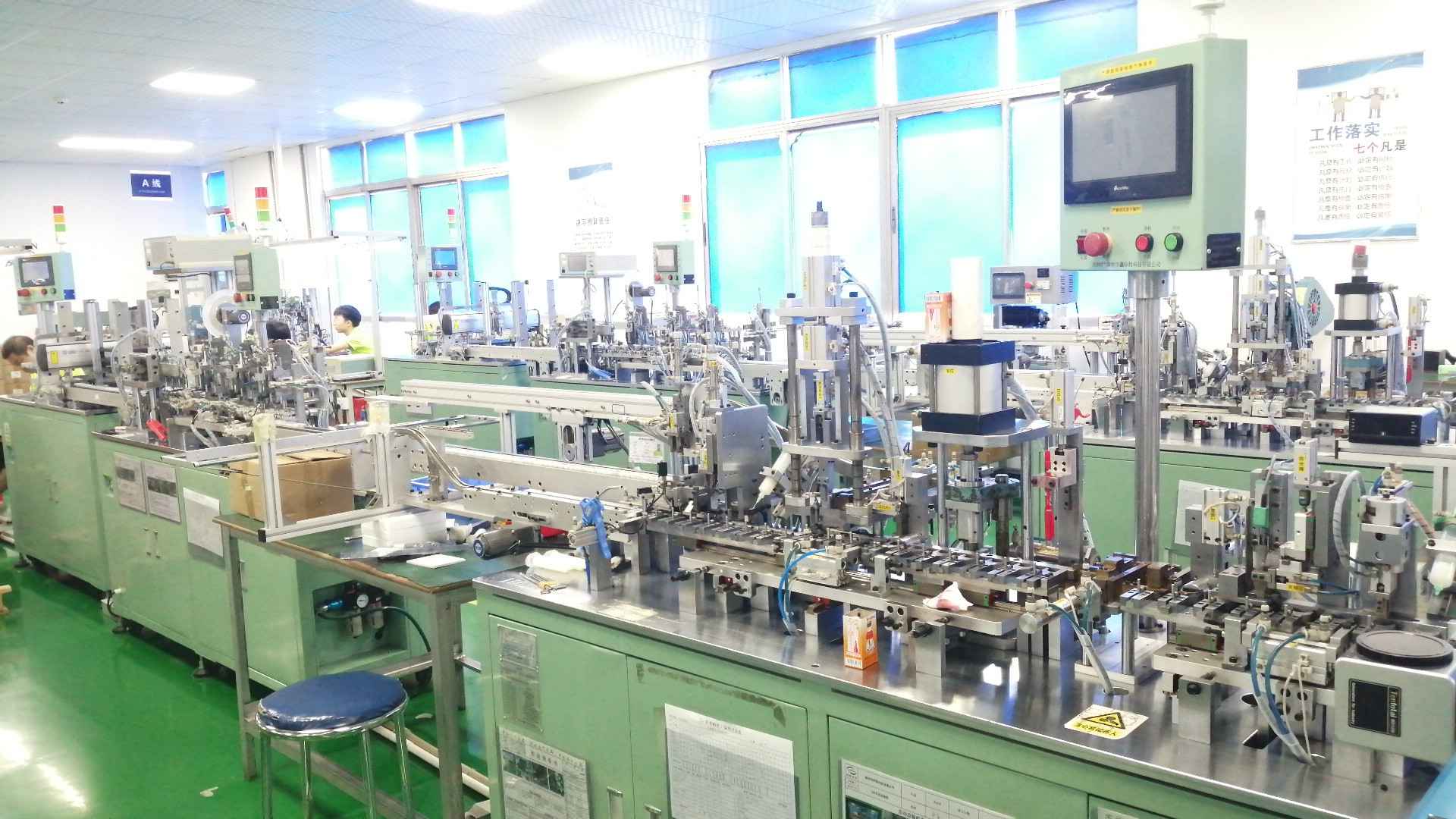
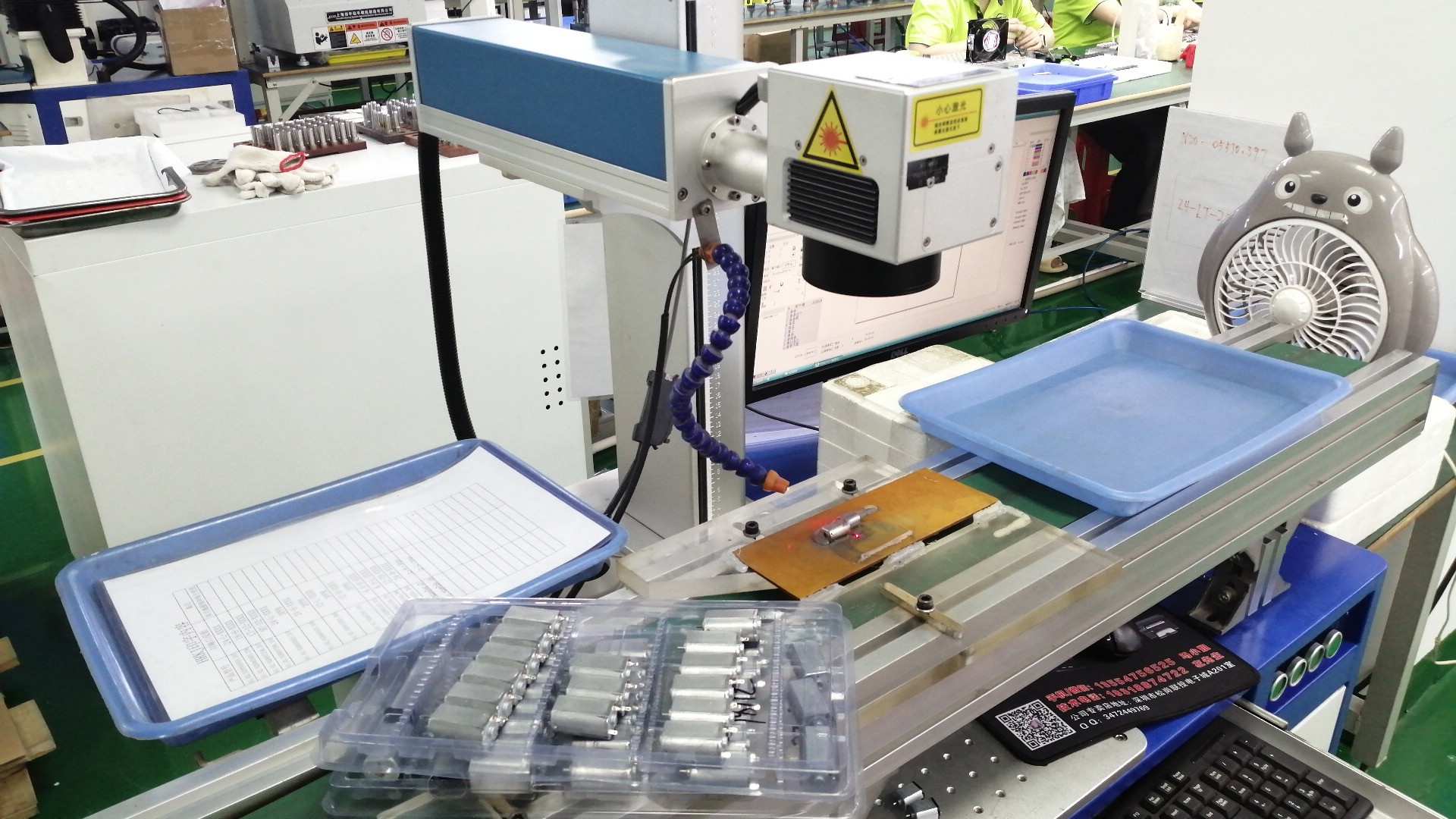
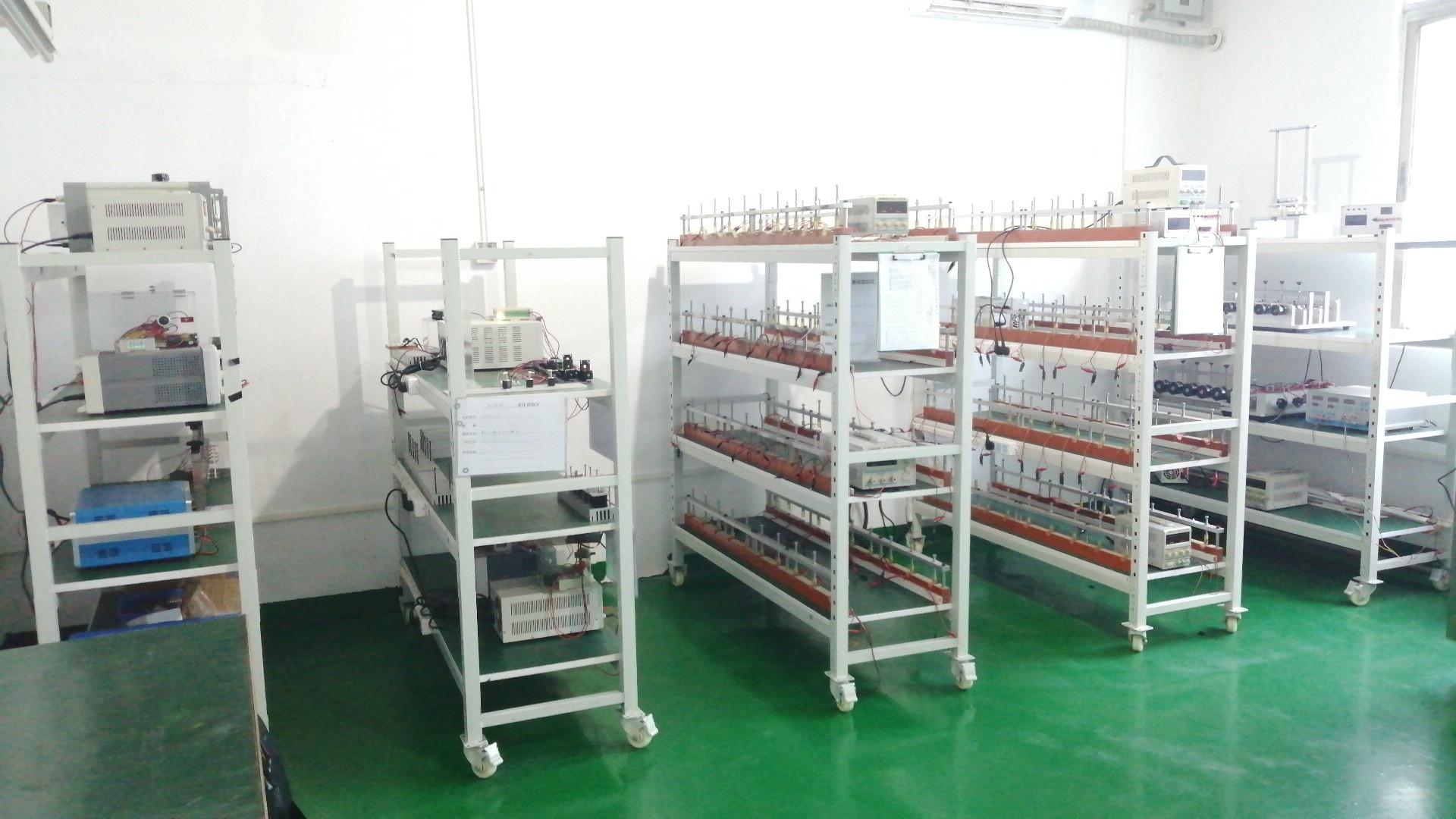
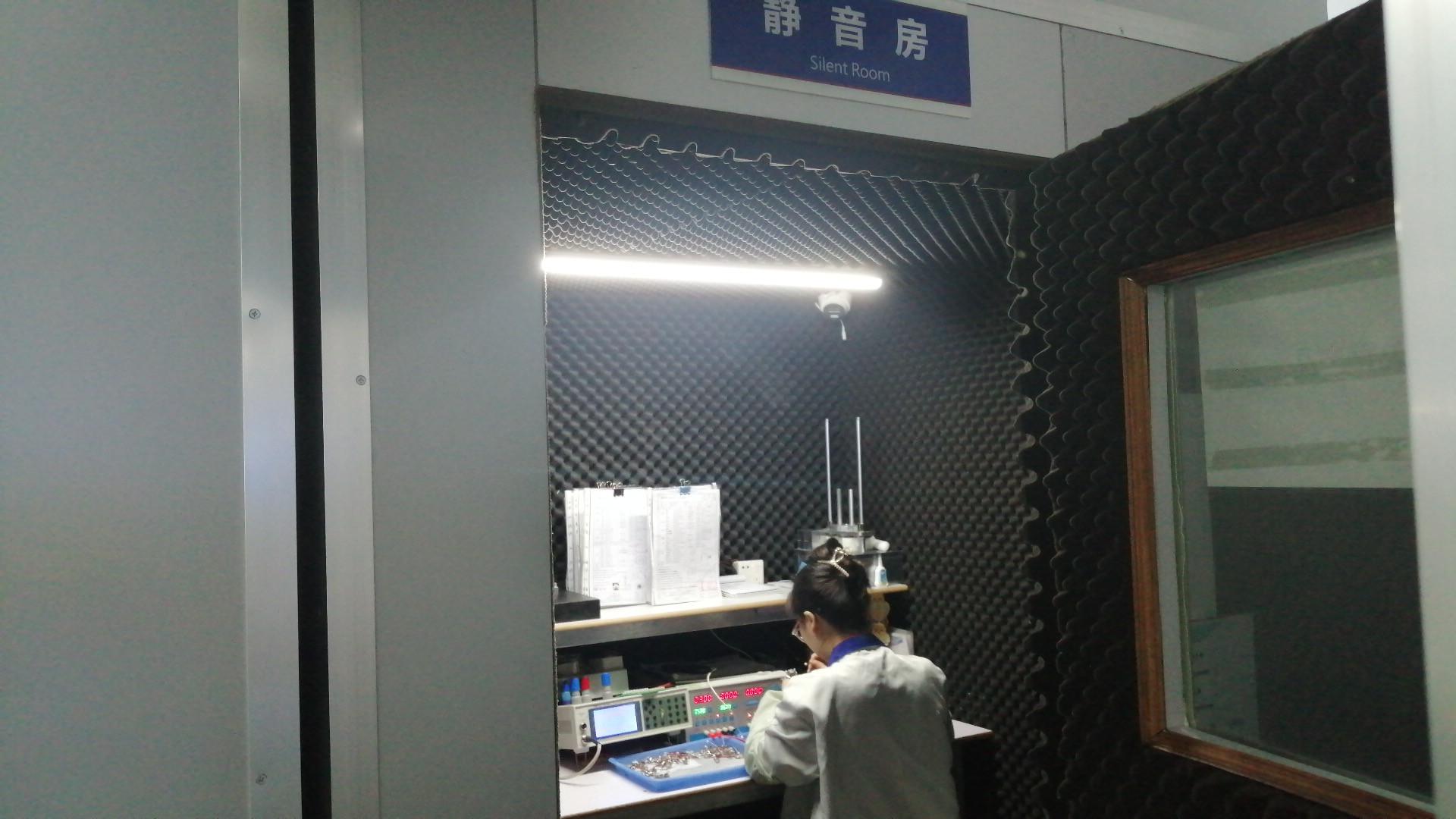


Our quality control facilities feature specialized testing gear to verify shaft straightness, trace magnetic saturation, profile noise, and simulate environmental conditions.
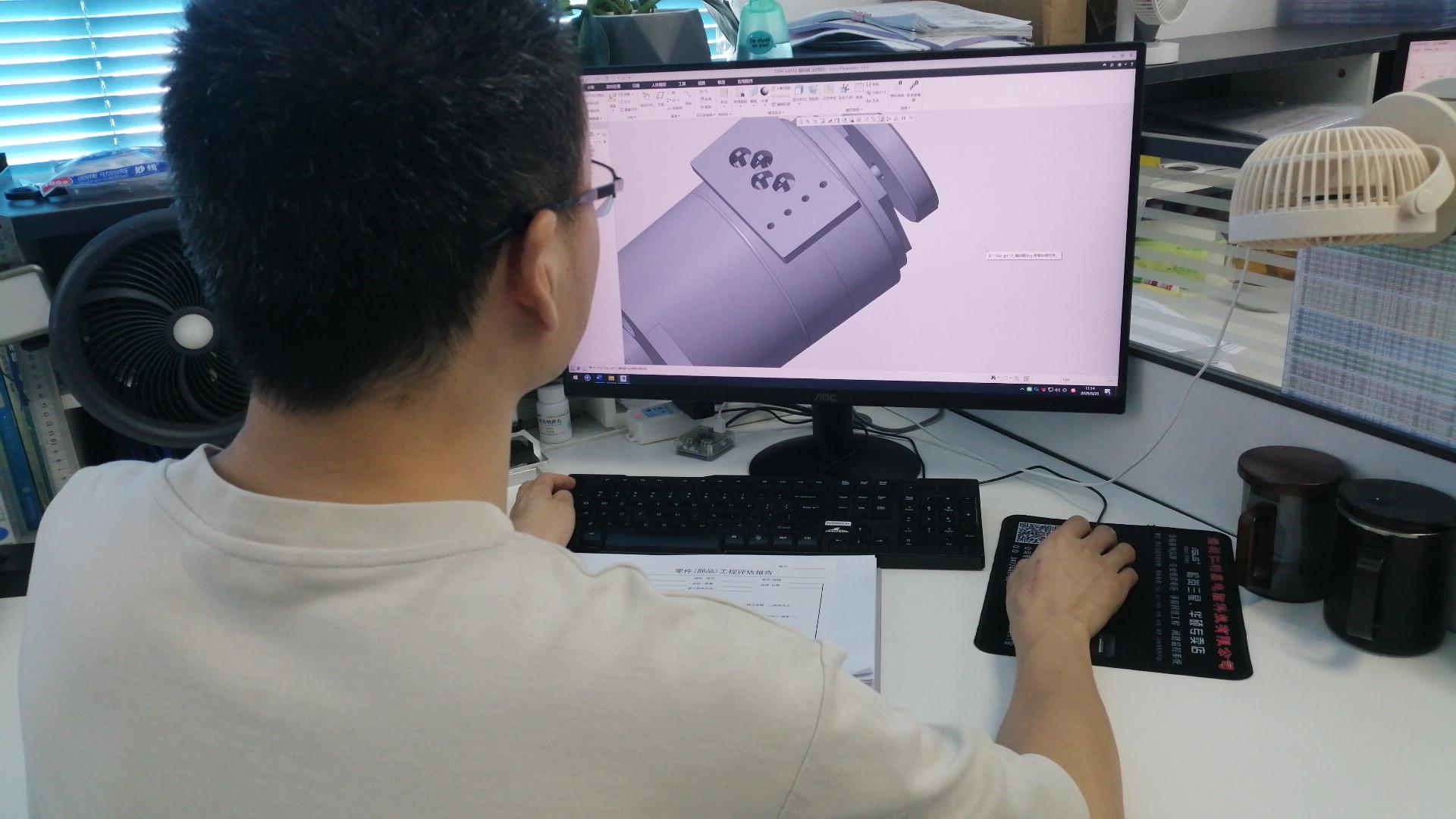
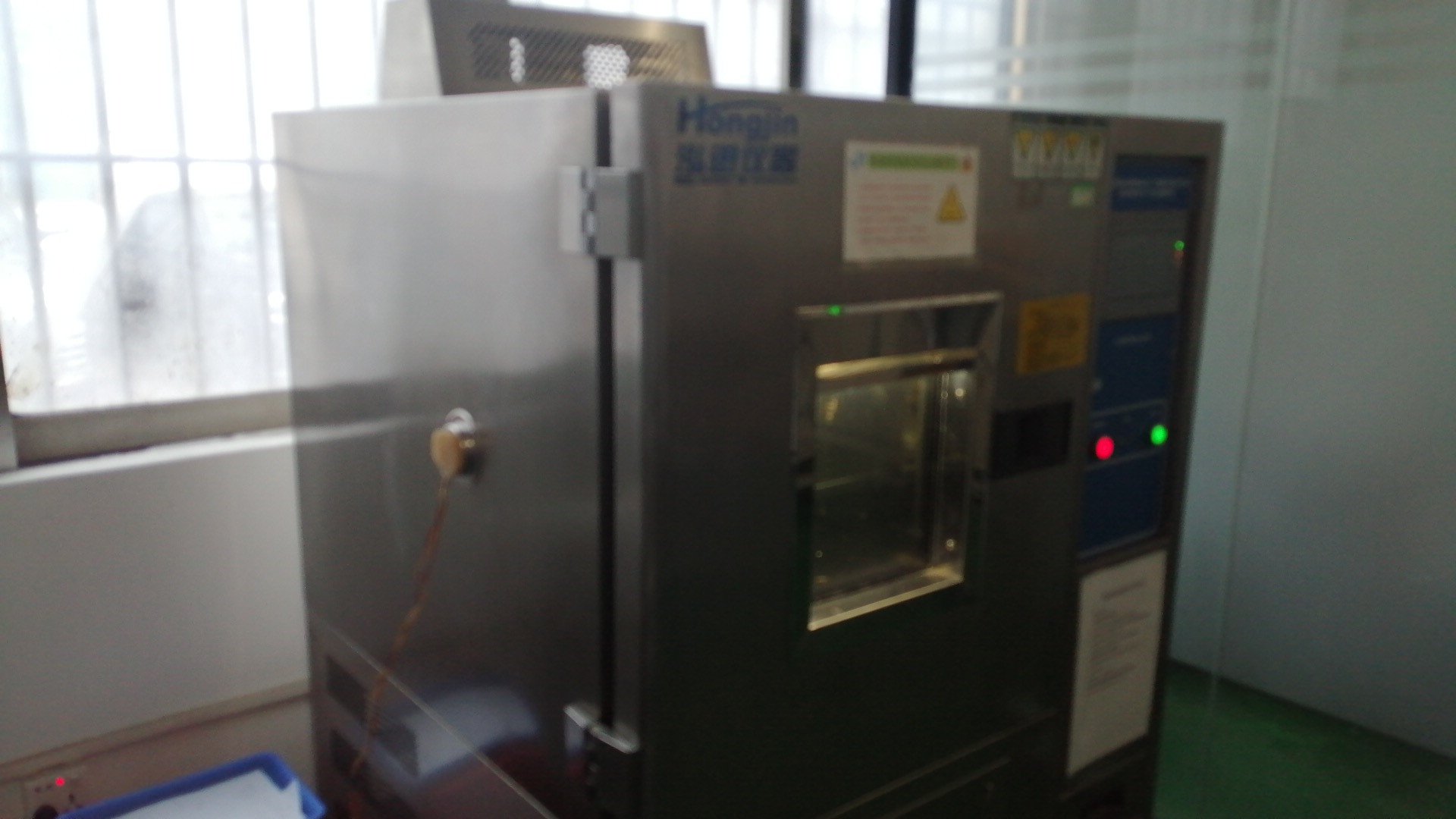
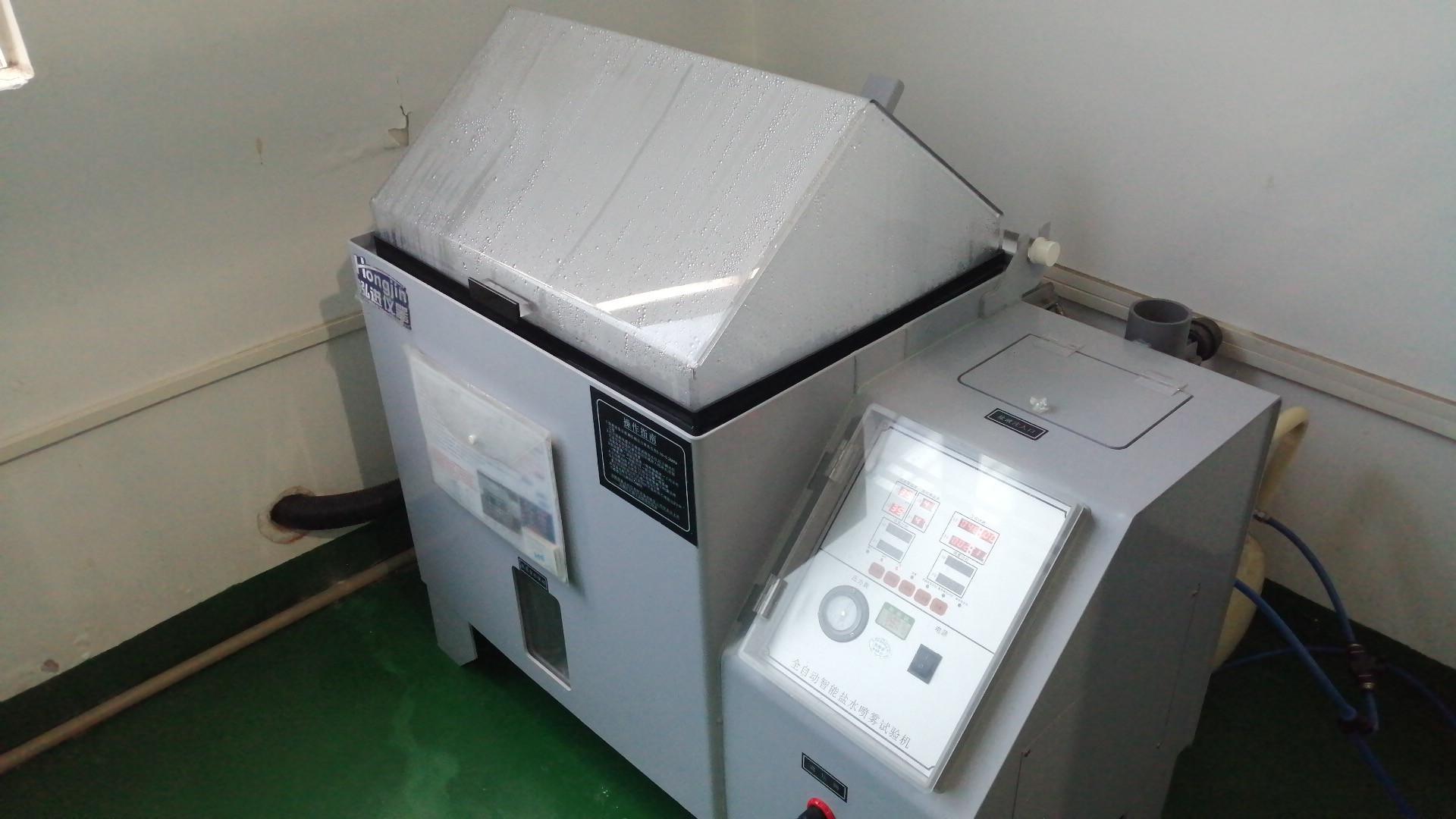
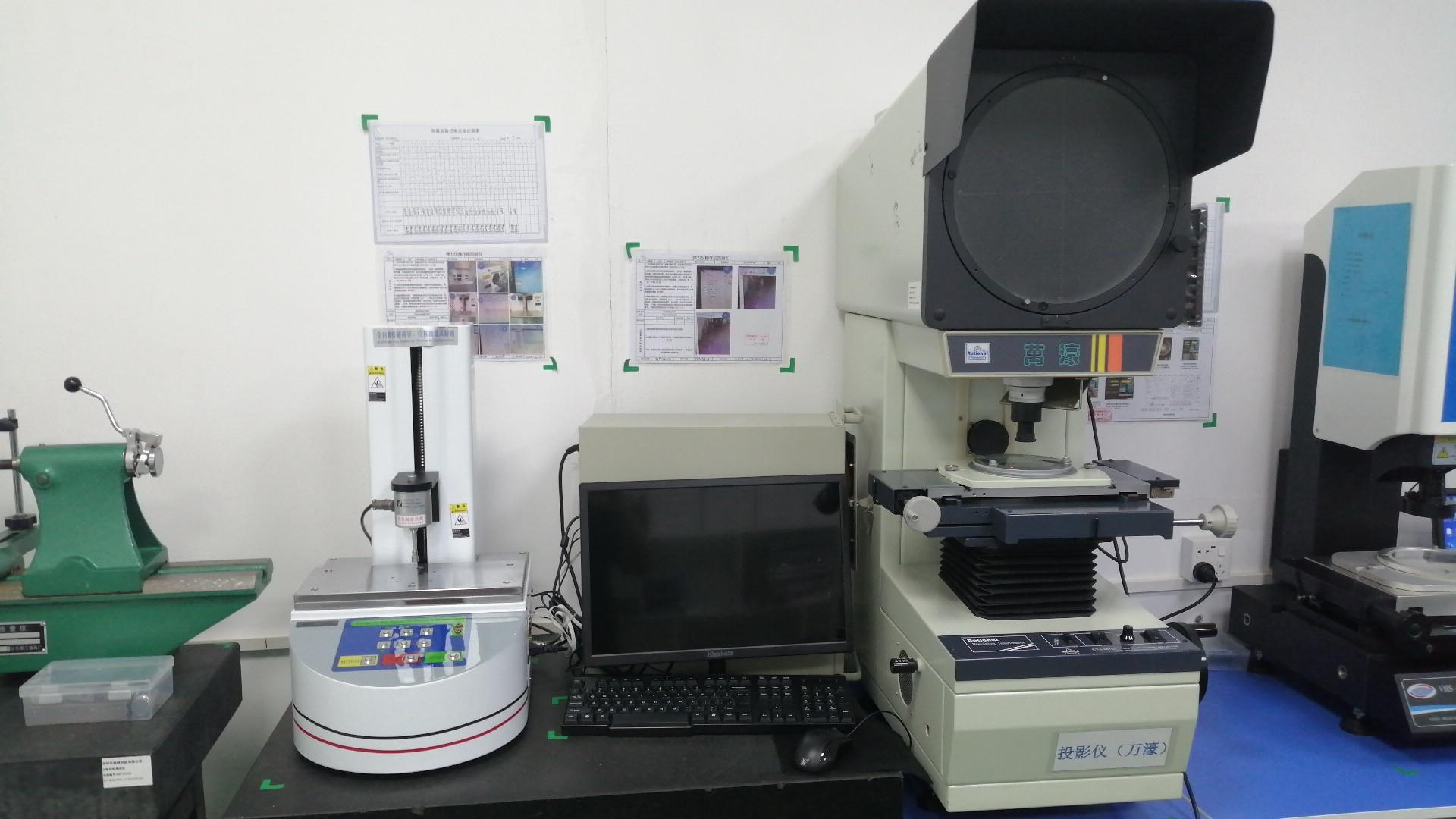
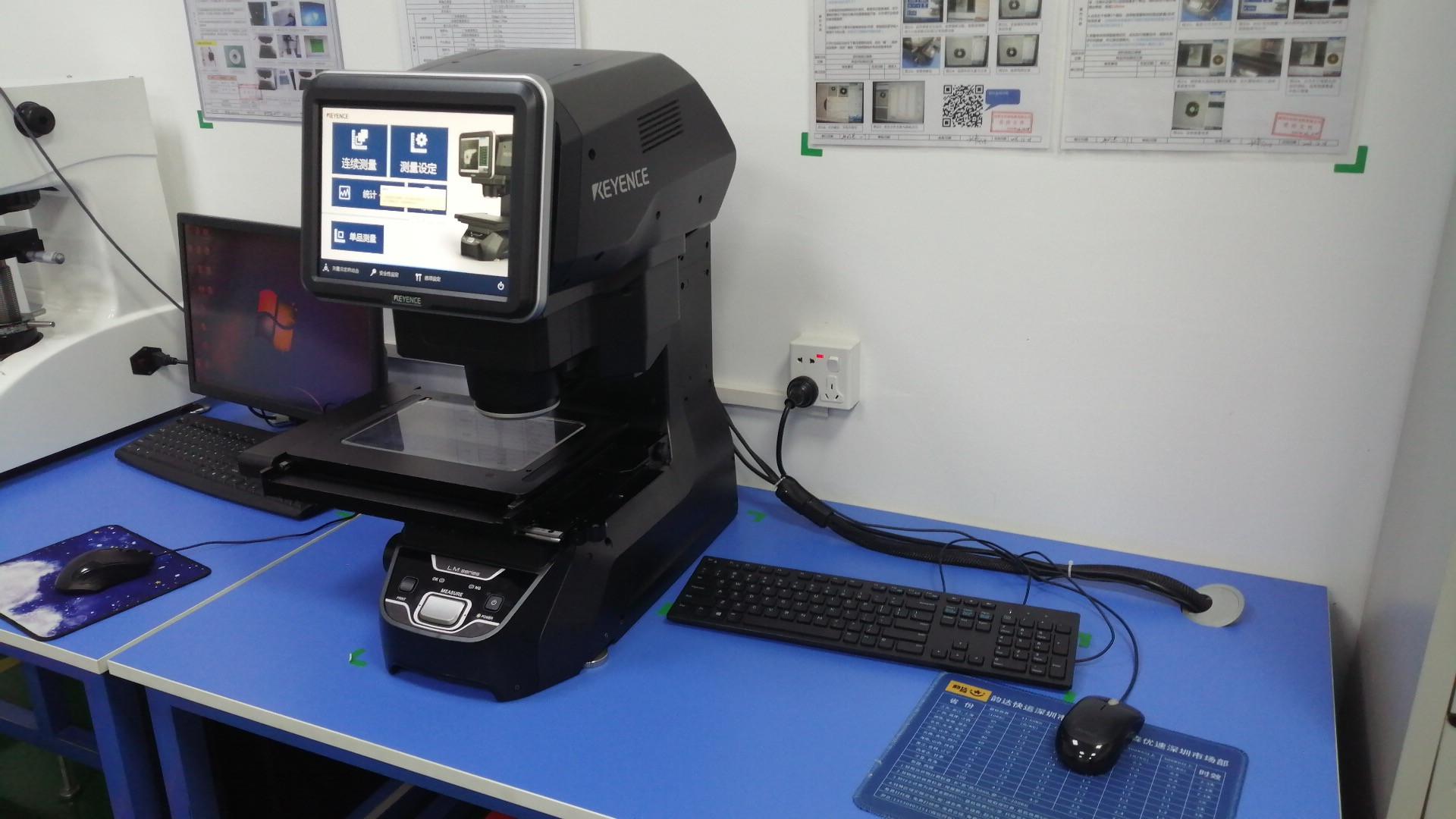
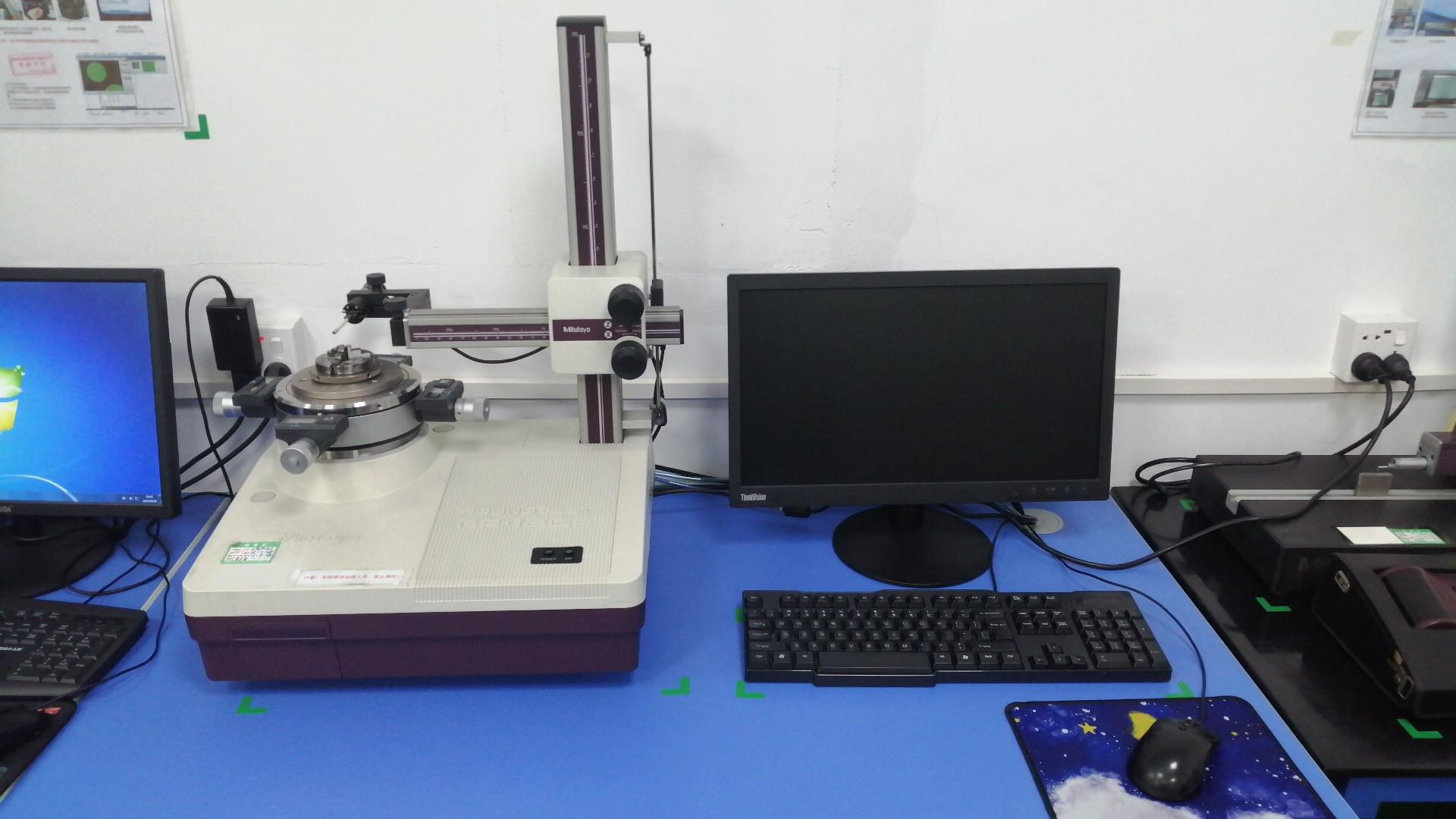
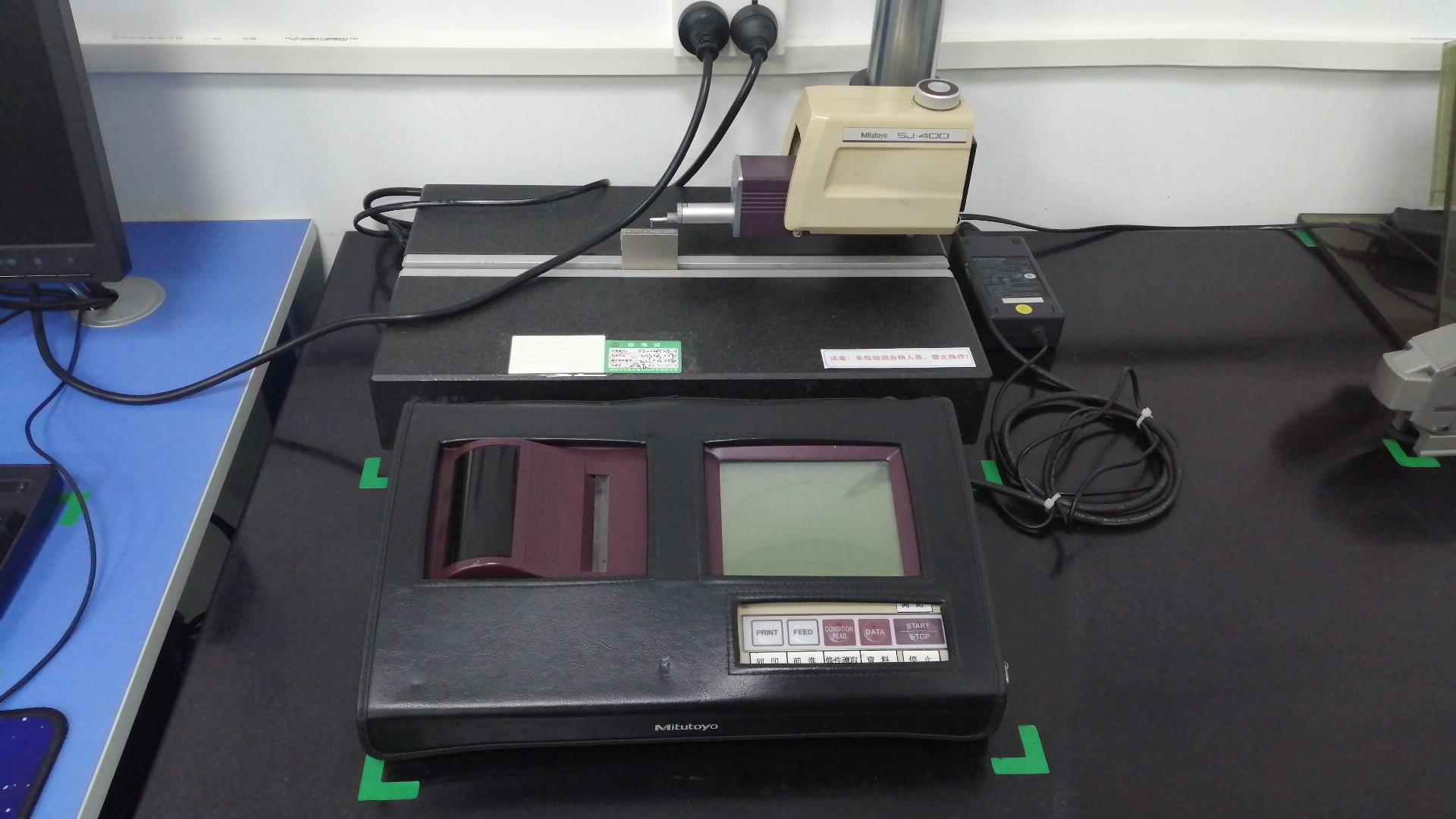
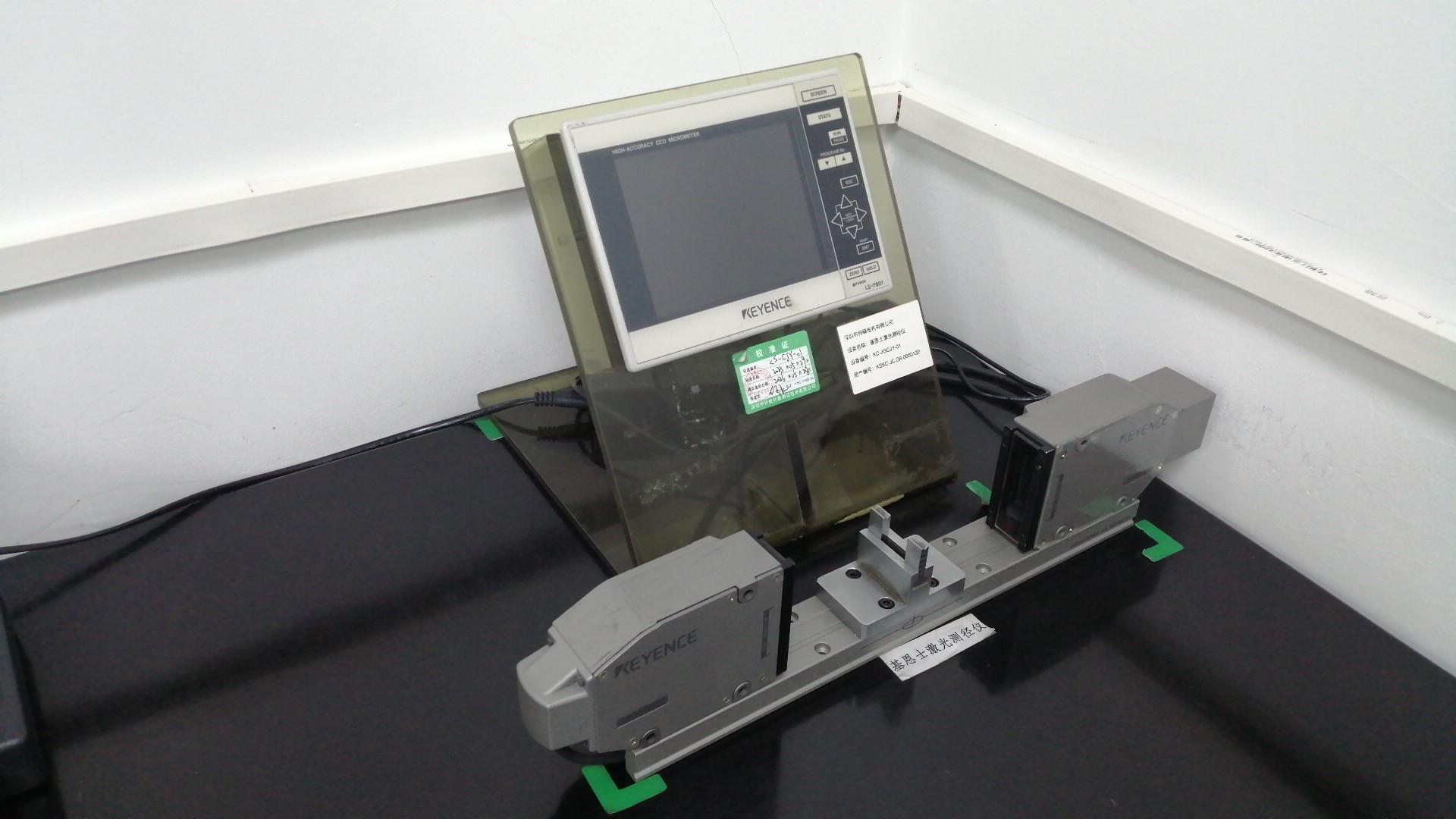
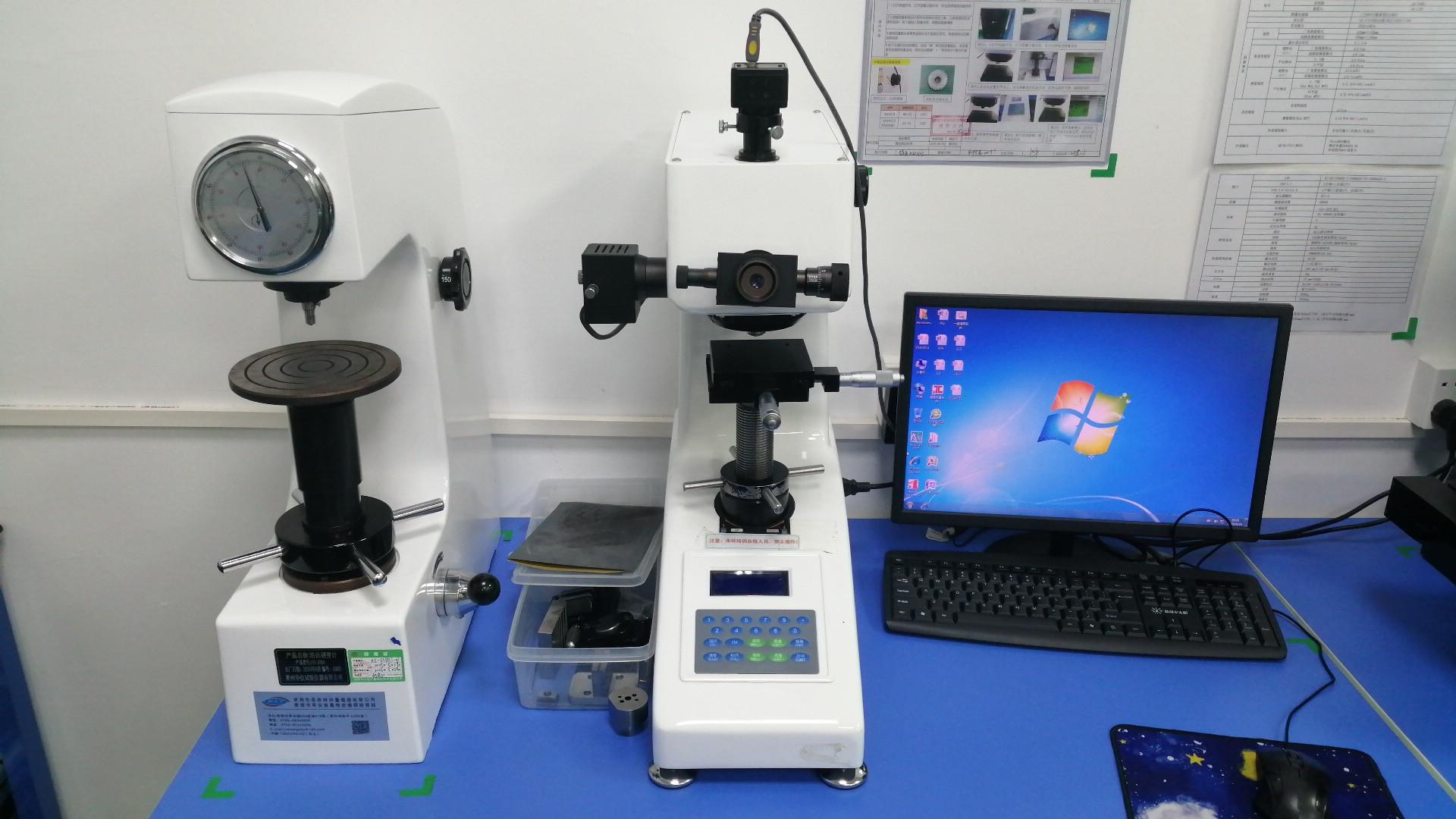
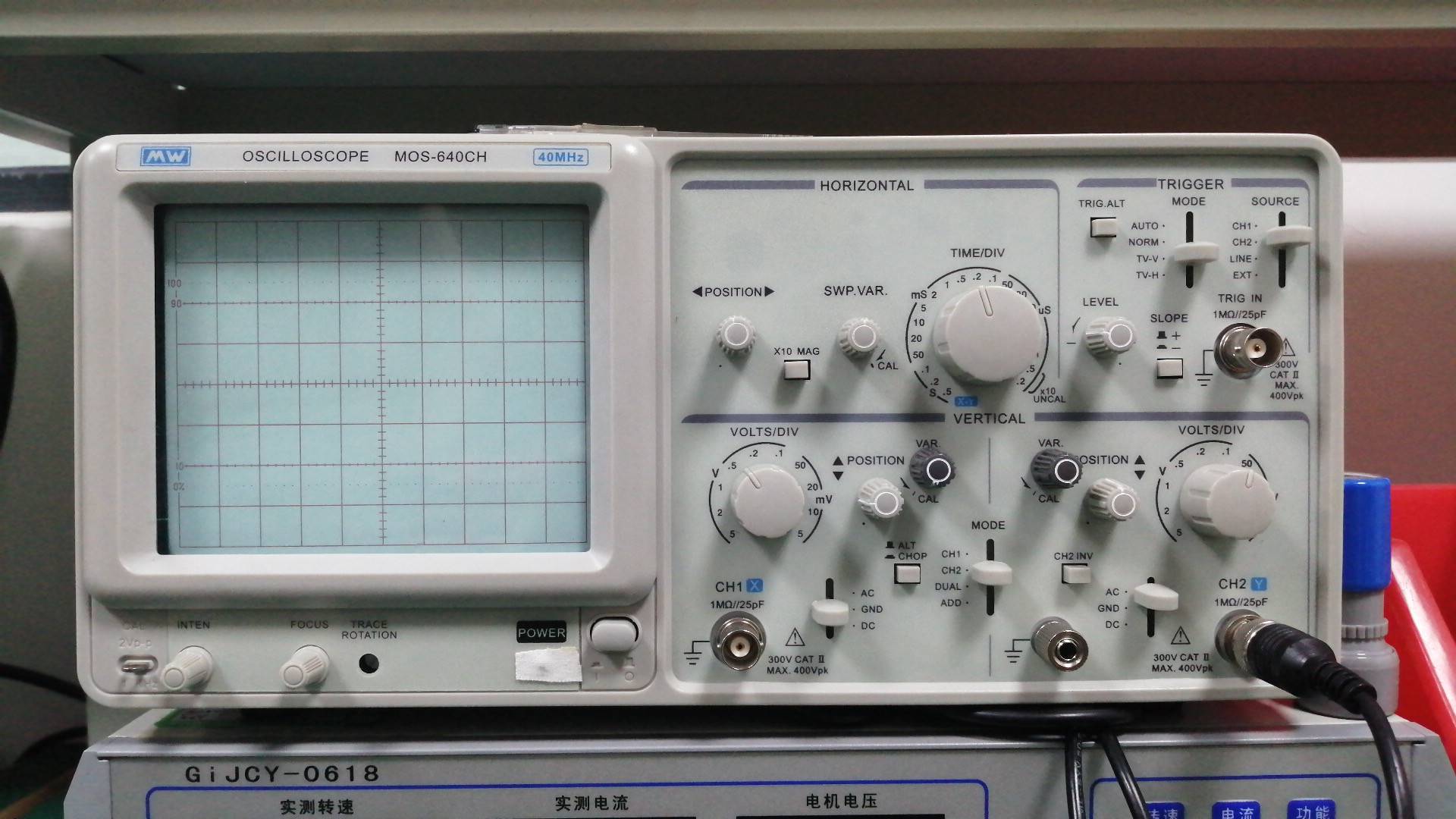
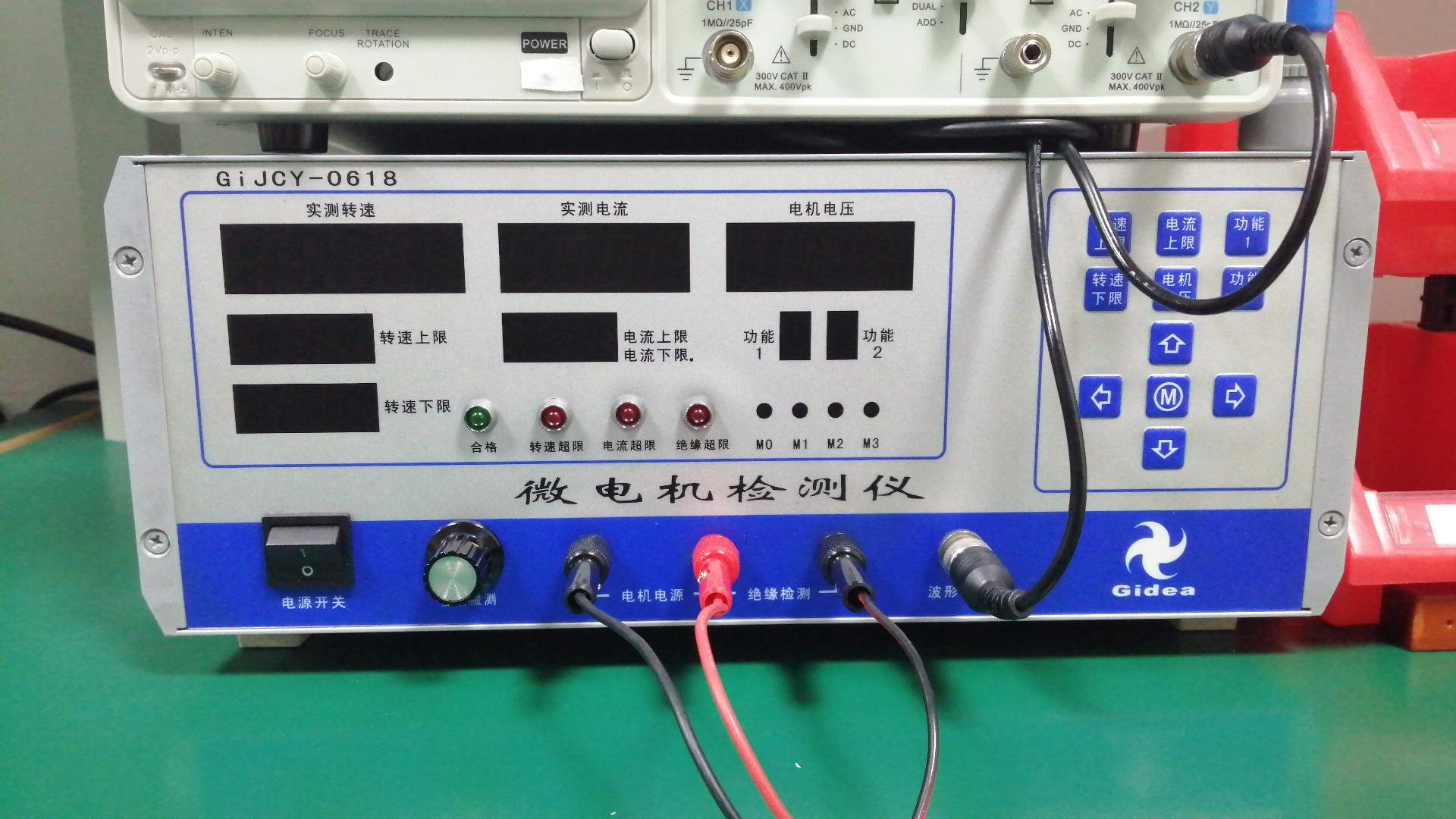
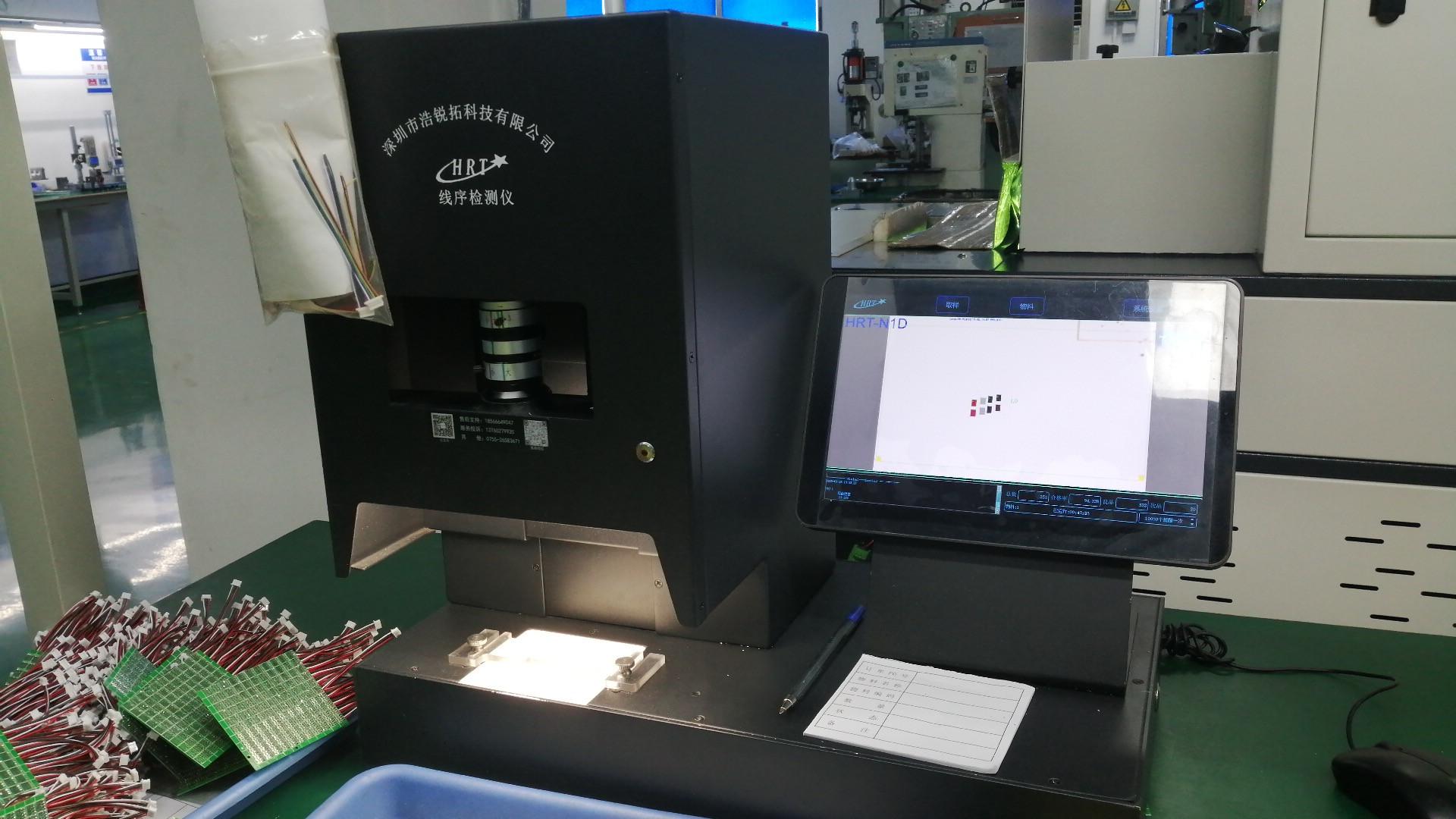
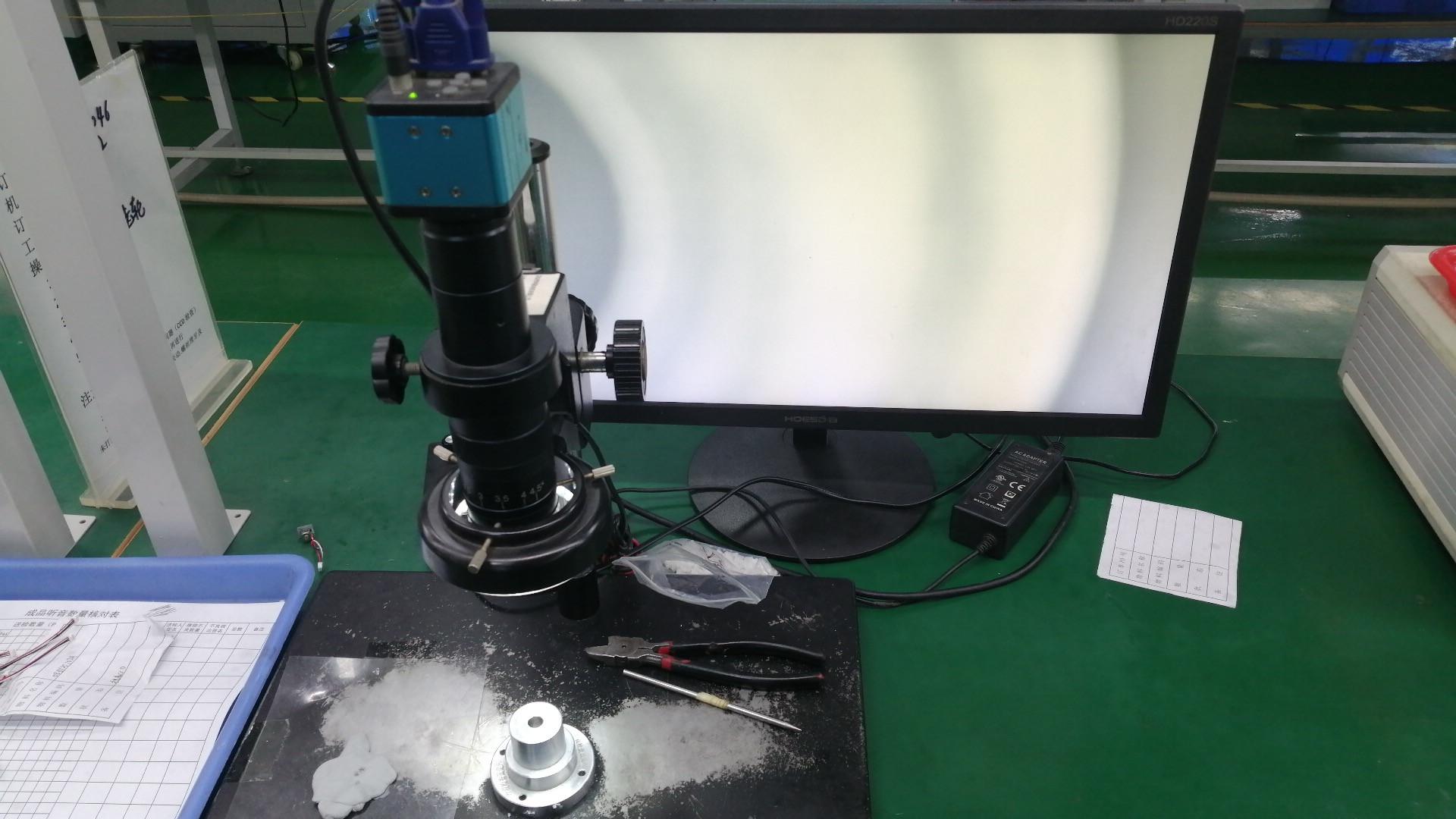
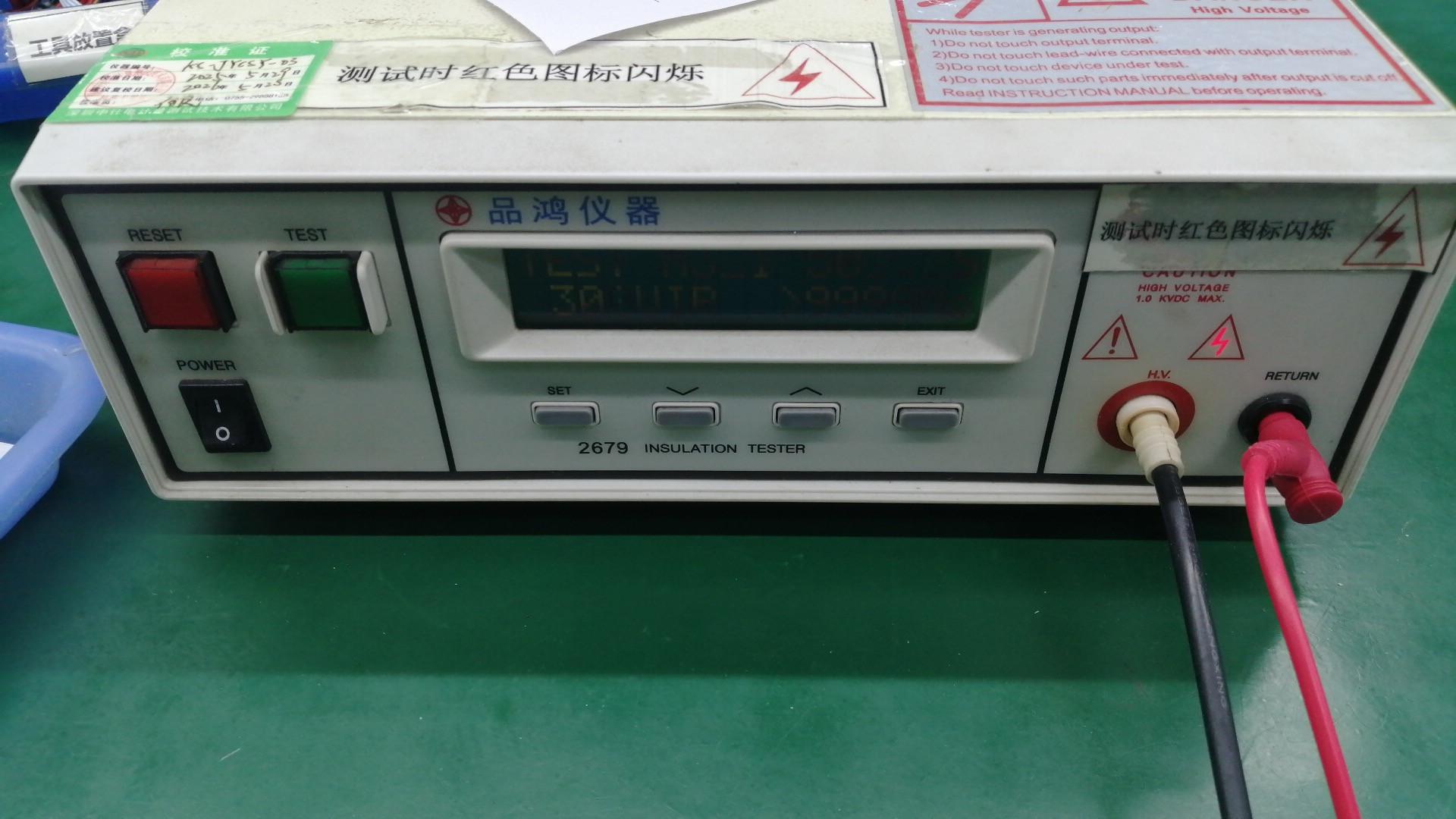
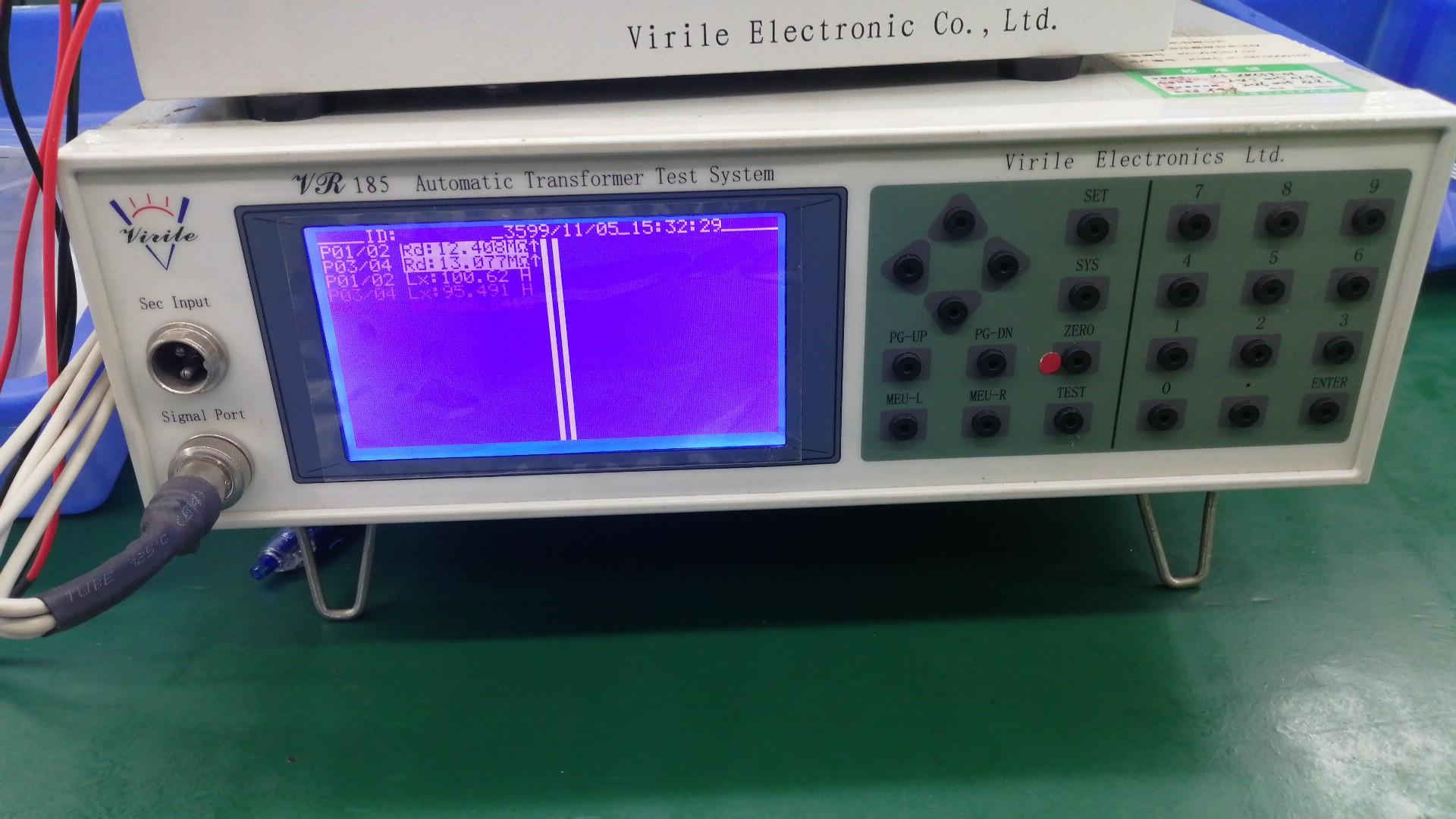
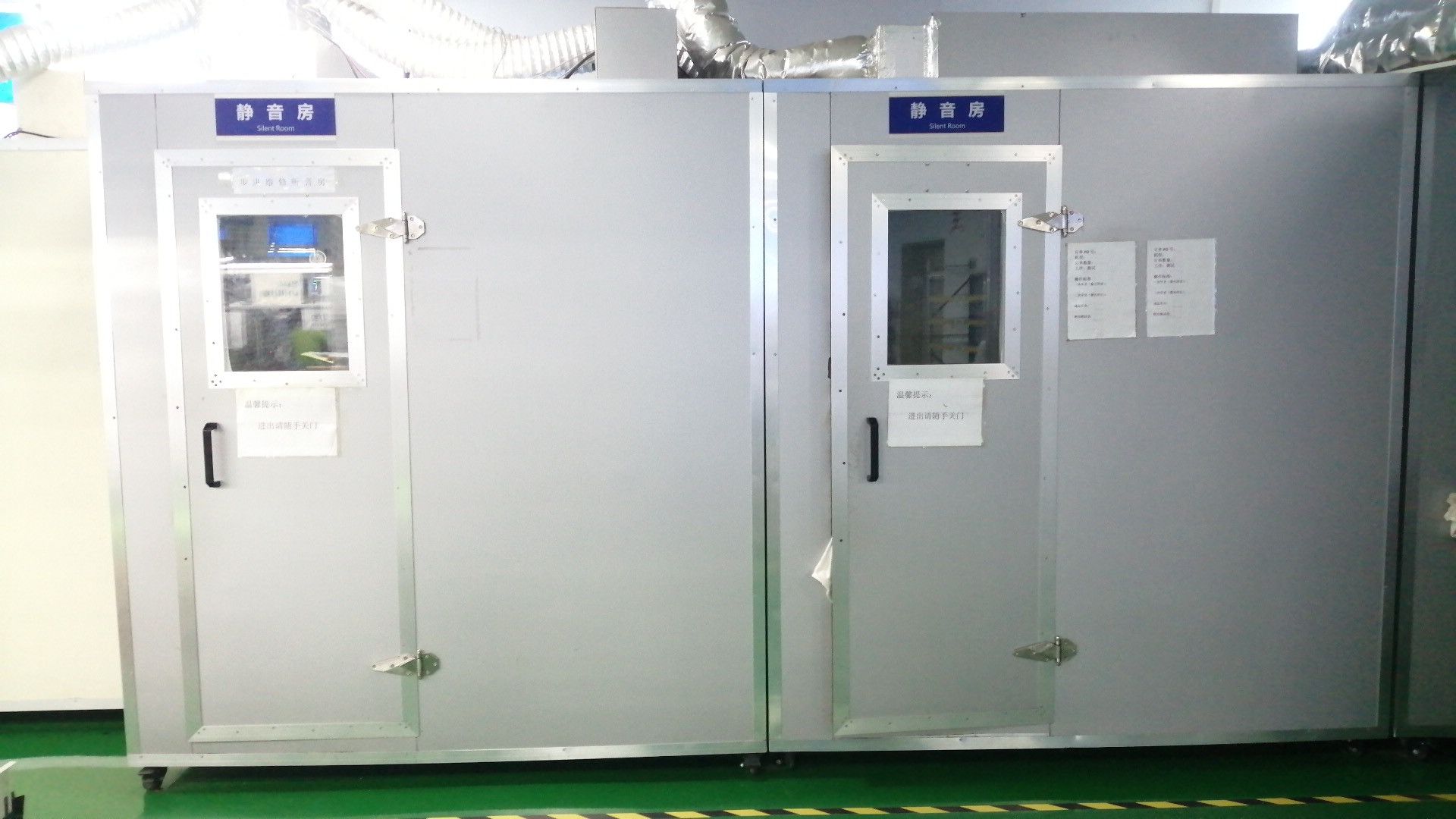
The demand for ultra-compact systems in medical wearables, micro-robotics, and IoT applications drives continuous development in micro-drive technology. Our long-term technical roadmap focuses on the following key areas:
Standard brushed commutators wear out over time. Adopting slotless BLDC structures eliminates contact wear, extending operating lifespans from a few hundred hours to over 10,000 hours for critical applications.
For devices requiring fast response times, we are refining ceramic piezo-actuators. These systems provide response times under 1 millisecond, ideal for high-fidelity sensory feedback.
Wearables like active hearing aids and smart rings require smaller components. We are engineering sub-3mm vibration units that deliver tactile alerts while drawing minimal current.
Technical answers to help engineers and procurement managers evaluate motor performance, custom configurations, and integration options.
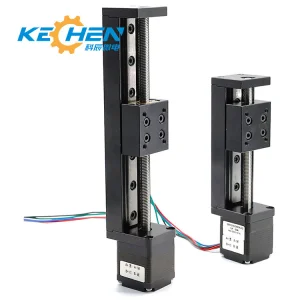
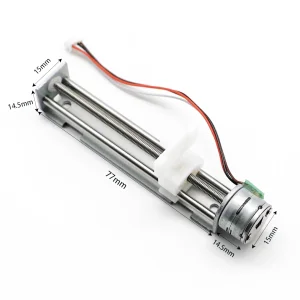
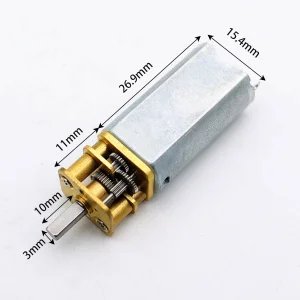
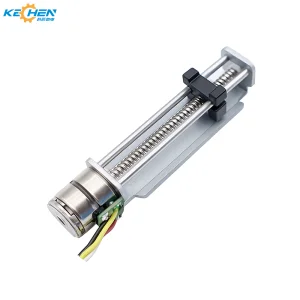
Our second tier of micro-drive components features precision gearboxes and linear actuators, designed for micro-step movements and compact automation systems.
 Axon Motor