Choosing the right Brushless DC Motor can seem daunting. As John Smith, a leading expert in electric motor technology, states, "Selecting the ideal Brushless DC Motor is crucial for maximizing efficiency." With numerous options available, it’s essential to understand the key factors that influence performance.
Brushless DC Motors are known for their efficiency and reliability. However, not all motors are created equal. Potential buyers must consider various aspects such as size, torque, and speed requirements based on their application. A common mistake is ignoring the cooling needs of the motor. Proper heat management can greatly extend its lifespan.
Understanding your specific requirements is vital. Misjudging these factors may lead to operational inefficiencies. Additionally, working with reputable suppliers can enhance trust in your choice. A well-informed decision can save both time and costs in the long run. It's essential to reflect on these points to ensure you're making the best choice for your needs.
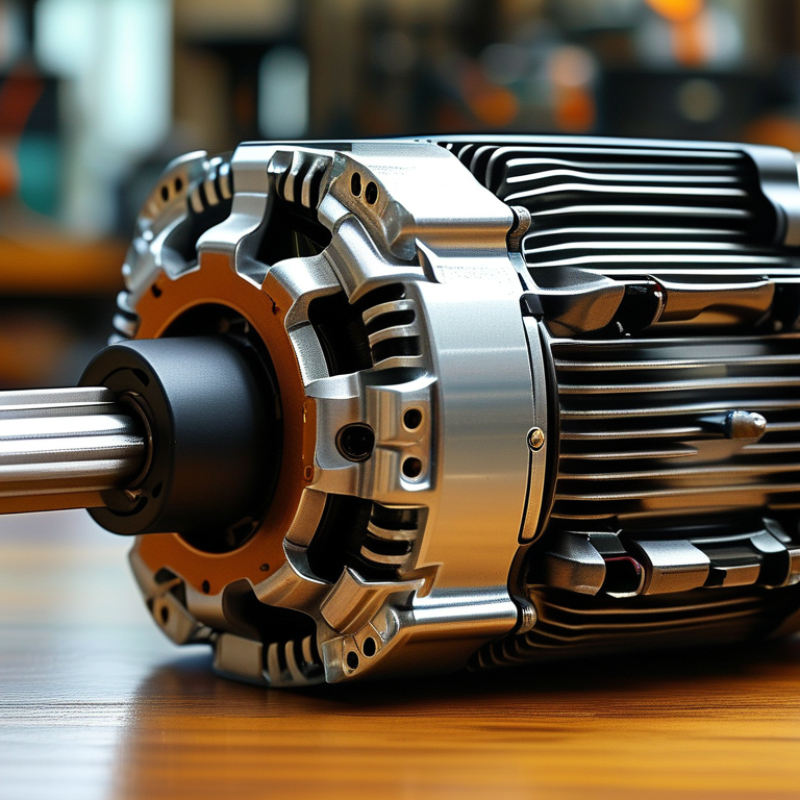
Brushless DC motors (BLDC) have gained popularity in various applications. Their design eliminates brushes, leading to less maintenance and longer life. They are known for their high efficiency and quiet operation. This makes them ideal for projects requiring precision and reliability.
When choosing a BLDC motor, consider its advantages. The absence of brushes reduces friction, increasing efficiency. This contributes to lower energy consumption, beneficial in battery-operated devices. Additionally, these motors offer high torque at low speeds. This is essential for applications like drones or robotics, where control is crucial.
However, not all applications need a brushless motor. Evaluate your project's specific needs. A brushed motor might suffice for low-cost applications where efficiency is not a priority. Always reflect on your requirements before making a decision. Factors like size, weight, and control options are crucial. A well-informed choice prevents future inefficiencies or performance issues.
When selecting a brushless DC motor, various specifications play a crucial role in achieving optimal performance. One vital aspect is voltage rating. It determines the power the motor can handle. Choose a motor with a voltage compatible with your system. This will prevent overheating and ensure efficiency.
Another essential specification is the motor's torque rating. It reflects the motor's ability to perform under load. If the torque is insufficient, the motor may stall or underperform. Always assess the application requirements and match them accordingly. RPM ratings also matter significantly. Higher RPM may improve speed but could compromise torque. It's a balancing act based on your specific needs.
Pay attention to efficiency ratings as well. Higher efficiency translates to less energy consumption and reduced heat generation. However, efficiency can vary between models. Therefore, review user feedback and performance tests. A detailed comparison provides insights into real-world performance. While these metrics guide your selection, it's essential to understand that every application has unique demands. So, be prepared to test and adjust your choice based on practical experiences.
When evaluating brushless DC motors, efficiency and torque are key considerations. Efficiency is the ratio of useful power output to the total power input. A highly efficient motor requires less energy and generates less heat. This translates to lower operating costs and a longer lifespan.
Torque, on the other hand, represents the motor's ability to perform work. It is essential for applications requiring quick acceleration or high loads. Evaluating the required torque involves assessing the load characteristics and application demands. A mismatch between torque supply and demand can lead to underperformance and increased wear.
Selecting the right motor requires a balance between efficiency and torque. A motor that is efficient but provides insufficient torque may not fulfill performance needs. Conversely, high torque at the expense of efficiency can burden your operational costs. Each application is unique, demanding careful consideration of these two factors to achieve optimal performance. Keep in mind that specific requirements may lead to trade-offs, so it's beneficial to assess your needs thoroughly.
| Motor Model | Efficiency (%) | Max Torque (Nm) | Rated Voltage (V) | Rated Speed (RPM) |
|---|---|---|---|---|
| Model A | 85 | 0.8 | 24 | 3200 |
| Model B | 90 | 1.2 | 36 | 2700 |
| Model C | 88 | 1.0 | 48 | 3000 |
| Model D | 92 | 1.5 | 12 | 4000 |
When selecting a brushless DC motor, size and weight constraints are crucial. Each application demands specific dimensions and weight limits for optimal performance. A common oversight is underestimating space requirements. Ensure you measure the installation area accurately. This will prevent future issues during integration.
Consider the motor's weight in relation to the overall system. A heavier motor may affect the balance in mobile applications. If weight savings are essential, look for lightweight materials without compromising performance. Reducing the size can also lead to limitations in torque output. It’s a delicate balance; prioritizing one aspect often leads to sacrifices in another.
Reflect on your application needs as you assess these factors. Sometimes, it might be tempting to focus solely on motor power. However, neglecting size and weight can hamper efficiency. Compromises may be necessary, but understanding these trade-offs can lead to better decision-making. Testing different configurations can help in identifying the best fit for your project.
When selecting a brushless DC motor, budget considerations are crucial. Understand your project's requirements to avoid overspending. Evaluate the long-term cost-effectiveness of the motor. A more expensive initial investment might lead to savings in maintenance and energy costs over time.
Consider the purpose of the motor. For applications that require high efficiency, spending more upfront can yield better long-term results. Balance the cost with performance. Sometimes, cheaper options come with hidden costs. They may require frequent replacements or repairs.
Tips for choosing wisely include researching motor specifications thoroughly. Look for efficiency ratings, torque requirements, and operational lifespan. Reviewing user feedback can provide insights into performance and reliability. Don't hesitate to consult with experts or forums. Their experience can guide your decision-making process effectively. Always have a clear idea of your budget before starting the selection. Remember, the cheapest option might not always be the best investment in the long run.
: Brushless DC motors offer less maintenance, longer life, high efficiency, and quiet operation. They are ideal for precise applications.
Not all projects require a brushless motor. Assess your specific needs first. Sometimes a brushed motor will work.
Efficiency is crucial. It measures useful power output against total input. A more efficient motor runs cooler and uses less energy.
Torque measures a motor's work capability. High torque is vital for quick acceleration and handling heavy loads in certain applications.
Budget is key. Understand your project needs. A higher upfront cost may save on maintenance and energy in the long run.
Look at efficiency ratings, torque requirements, and lifespan. Checking user feedback helps gauge performance and reliability.
Yes, cheap motors may have hidden costs, like frequent repairs or replacements. Reflect on long-term expenses before deciding.
Consulting experts can provide valuable insights. Their experience may help clarify choices and improve your decision-making process.
Consider size, weight, control options, and efficiency needs. An informed choice can prevent future performance problems.
When choosing the best Brushless DC Motor, it is essential to understand their advantages, such as higher efficiency and longevity compared to brushed motors. Key specifications, including voltage, current, and power output, play a critical role in selecting the right motor for your application. Additionally, evaluating motor performance based on efficiency and torque requirements ensures that the motor meets operational needs.
Size and weight constraints are also crucial considerations, particularly in applications with limited space. Finally, budget considerations and the overall cost-effectiveness of the motors should guide your decision-making process, as investing in a high-quality Brushless DC Motor can lead to enhanced performance and reduced maintenance costs in the long term.
