In today’s evolving market, the demand for efficient and powerful solutions drives innovation in high torque motors. Designers and engineers seek advanced motors for various applications. High torque motors provide exceptional performance in challenging environments. They deliver significant power output at low speeds, making them ideal for industries like automotive, robotics, and manufacturing.
However, selecting the right high torque motor can be daunting. Numerous factors come into play, such as size, efficiency, and sourcing reliability. Businesses must consider their unique requirements and budget constraints. Often, the most efficient global sourcing strategies blend quality with cost-effectiveness. It's vital to partner with reputable suppliers who understand high torque motor technology and can meet industry standards.
Navigating the options available can reveal imperfections and opportunities for improvement. Misalignment between motor specifications and application demands can lead to inefficiencies. Continuous evaluation and feedback can enhance sourcing strategies, ensuring that businesses derive maximum value from high torque motors. Ultimately, the journey towards efficient global sourcing requires both expertise and a willingness to adapt.
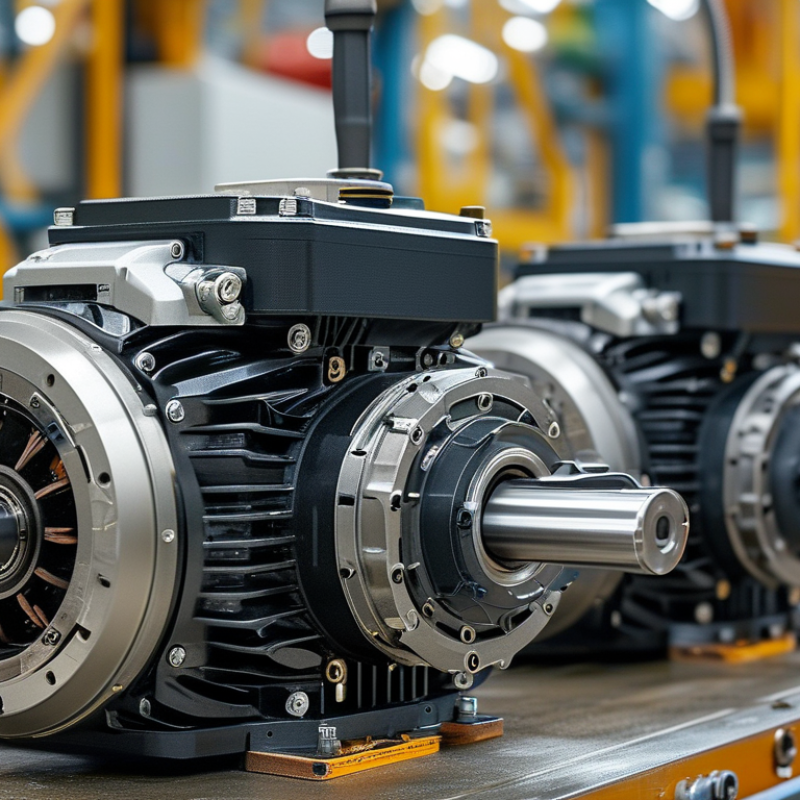
High torque motors are essential in various industrial applications. These motors generate significant rotational force, enabling efficient movement in heavy machinery. The definition of high torque motors centers around their ability to provide maximum torque at low speeds. This characteristic makes them ideal for tasks requiring substantial power output without the need for high RPMs.
Key features of high torque motors include robust designs, enhanced cooling systems, and advanced materials. According to a report by MarketsandMarkets, the global high torque motor market is projected to grow at a CAGR of 5.2% from 2020 to 2025. Factors driving growth include increased automation and the demand for energy-efficient solutions. However, sourcing these motors can pose challenges due to varying international standards and varying quality.
Tips for sourcing high torque motors effectively are essential. Always verify the specifications provided by the manufacturer. Look for third-party certifications that confirm quality and performance. Another tip is to consider suppliers with a proven track record. Examine customer reviews to gauge reliability. Remember, while cost is a factor, durability and efficiency should not be compromised.
High torque motors are gaining traction across many industries due to their unique advantages. These motors provide superior power levels at lower speeds, making them ideal for applications requiring strong torque. From manufacturing to robotics, industries are finding that efficiency can significantly improve with high torque options. In sectors like automotive, these motors facilitate smoother operations, enhancing overall performance.
Additionally, high torque motors contribute to energy savings. By operating effectively at lower speeds, they reduce energy consumption. This results in lower operational costs, benefiting companies in a competitive market. Moreover, they often have a longer lifespan due to less wear and tear. However, some industries may need to reconsider their existing setups to fully harness these advantages. Transitioning to high torque motors might not be seamless for everyone.
Challenges exist in terms of initial costs and integration. Not all facilities are equipped to adopt these motors without significant modifications. Companies must evaluate if the benefits justify the investment and effort needed. The conversation around high torque motors is not just about the technology itself; it's about how industries can adapt and improve efficiency while facing potential obstacles on their journey.
High torque motors are increasingly popular in various industries due to their performance and efficiency. According to a recent market analysis by Research and Markets, the global market for high torque motors is expected to grow at a compound annual growth rate of over 5% through 2027. This growth is driven by rising demand in sectors like automotive, aerospace, and renewable energy.
Navigating global sourcing strategies for these motors can be complex. It's essential to evaluate suppliers based on their technological capabilities and production efficiency. A report from Statista highlights that nearly 70% of companies face challenges in sourcing advanced components due to quality and delivery issues. Establishing robust partnerships with reliable manufacturers can mitigate these risks.
Consideration of local regulations and supply chain resilience is also crucial. Some firms have faced disruptions due to geopolitical tensions and trade tariffs. A data set by Deloitte indicates that businesses that diversify their sourcing strategies are 1.5 times more likely to mitigate supply chain risks. Understanding the demand in specific regions can guide sourcing decisions and enhance operational efficiency.
Sourcing high torque motors internationally presents several challenges. One significant issue is ensuring quality and reliability. Different manufacturing standards can create inconsistencies in performance. It's vital to assess suppliers' certifications and production processes carefully.
Another challenge is navigating communication barriers. Language differences can lead to misunderstandings. Clear documentation and regular follow-ups are essential to maintain alignment. Establishing a strong relationship with suppliers can mitigate these issues.
Tips: Consider using visual aids in your communication. Diagrams or photos can bridge gaps and clarify complex requirements.
Logistics is also crucial. Shipping delays and customs regulations can hinder timely delivery. Understanding local laws and regulations can prevent unexpected complications. Engage logistics professionals to ensure smooth operations.
Tips: Develop a contingency plan for potential delays. This proactive approach helps maintain project timelines.
High torque motors are gaining traction in various industries. Their efficiency significantly impacts global sourcing strategies. Recent studies indicate a surge in demand for these motors, especially in automation and electric vehicle sectors. According to a market report, the global high torque motor market is expected to grow at a CAGR of 8.5% from 2023 to 2030. This growth reflects changing consumer needs and technological advancements.
As manufacturers pursue sustainable solutions, high torque motors offer advantages, including energy savings. However, sourcing components can be challenging. The supply chain for these motors often involves multiple suppliers, making it complex. Some industry experts suggest that companies need to diversify their sourcing strategies. They highlight the importance of quality control and supplier reliability. Reports show that up to 25% of sourcing failures stem from inconsistent product quality.
In this evolving landscape, companies must remain agile. Adapting to new technologies and market needs is crucial. Not all manufacturers are ready to embrace these changes. Challenges in production capabilities and workforce training persist. Future trends point towards automation and smart technology integration. While opportunities abound, organizations must be cautious of their sourcing decisions. Understanding supplier capabilities is vital for achieving long-term success.
This chart illustrates the projected demand for high torque motors in units over the years from 2020 to 2025. It highlights the increasing trend in demand, suggesting a growing interest in high torque motor technology and its applications in various industries worldwide.
: High torque motors are used in industries like manufacturing and robotics for strong torque at lower speeds.
They enhance efficiency and performance, reduce energy consumption, and increase lifespan due to less wear.
Initial costs and necessary modifications may pose challenges for companies transitioning to high torque motors.
Establishing partnerships with reliable manufacturers and diversifying sourcing strategies can help reduce risks.
Local regulations can impact sourcing decisions and supply chain resilience, especially amid geopolitical tensions.
Trends include increased demand in automation and electric vehicles, and the integration of smart technology.
The market is expected to grow at a CAGR of 8.5% from 2023 to 2030 due to technological advancements.
About 25% of sourcing failures arise from inconsistent product quality, underscoring the importance of quality control.
Understanding specific regional demands and adapting sourcing strategies can significantly improve operational efficiency.
Organizations should carefully assess supplier capabilities to avoid challenges related to production and workforce readiness.
High Torque Motors are essential components across various industries due to their ability to deliver high levels of torque at low speeds, making them ideal for applications such as heavy machinery and electric vehicles. Their key features include robust design, high efficiency, and the capacity to handle significant loads, which contribute to increased productivity and performance in demanding environments.
As businesses seek to enhance their supply chain efficiency, global sourcing strategies for High Torque Motors have become increasingly important. However, companies face challenges such as supply chain disruptions and varying international standards that can complicate sourcing. Looking ahead, advancements in High Torque Motor technology, including improved materials and smarter designs, are expected to drive innovation and efficiency, providing manufacturers with even more effective solutions to meet the evolving demands of the market.
