Choosing the right DC motor for your project can significantly impact its overall performance. DC motors are widely used in various applications, from robotics to automotive systems. According to a recent market report, the global DC motor market is projected to reach $XX billion by 2026, highlighting the growing demand for efficient and reliable motors.
Selecting a DC motor requires careful consideration of several factors. The motor's voltage, torque, and speed characteristics must align with your project’s specific requirements. Industry experts recommend analyzing the load conditions and operational environments. Inadequately matching the motor to the application can lead to inefficiencies and premature failure.
Additionally, it is essential to evaluate the motor's lifespan and maintenance needs. Not all DC motors are created equal; some may require more frequent servicing than others. Understanding these differences can help avoid potential setbacks in your project. Conducting thorough research can yield insights into the ideal motor choice.
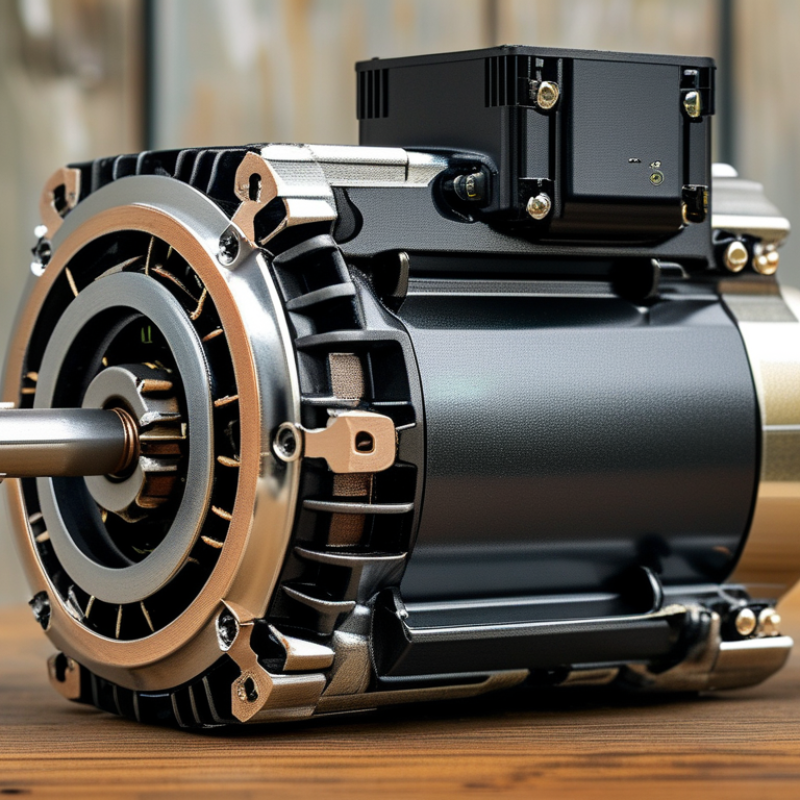
When selecting a DC motor for your project, it’s essential to understand the various types available. The three primary categories are brushed, brushless, and stepper motors.
Brushed motors are simple and cost-effective, making them common for hobbyist projects. They offer good torque and speed control but may require more maintenance due to wear on the brushes. These motors are suitable for basic applications like small fans or toys.
Brushless motors, on the other hand, provide higher efficiency and longer lifespan. They operate without brushes, reducing friction and heat. This makes them ideal for applications requiring precision, like drones or robotics. However, they can be more complex to control and usually need a dedicated electronic speed controller. If your project demands accuracy and durability, a brushless motor may be worth the investment, despite its complexity.
Stepper motors are unique. They excel in applications requiring precise positioning, like 3D printers and CNC machines. They move in discrete steps rather than smooth rotation, offering excellent control. However, they can lose torque at higher speeds, which may require careful consideration for speed-intensive projects. Understanding these distinctions can guide your decision and help avoid costly mistakes down the line.
Choosing the right DC motor requires understanding key specifications, including voltage, current, power, and RPM ratings. Voltage affects the motor's efficiency and performance. Motors typically operate at standard voltages, such as 12V or 24V. A report by the International Electrotechnical Commission states that selecting the appropriate voltage prevents overheating and prolongs the motor's lifespan.
Current is another critical factor. It determines the motor's torque output. High current might provide greater torque but can cause energy loss if not matched properly. According to a study by the Electric Power Research Institute, motors account for over 60% of industrial electricity consumption. This highlights the importance of choosing a motor with appropriate current ratings for your application.
Power ratings are essential to understanding the motor's capabilities. Power is the product of voltage and current. A common misconception is that a higher power rating equates to a better motor. This is not always true. For instance, a small project might only need a motor with lower power specifications. RPM ratings illustrate the motor's speed, impacting its suitability for different applications. Balancing these specifications can be challenging. A mismatch can lead to inefficiencies and equipment failure.
When choosing a DC motor, understanding torque and speed is crucial. Torque refers to the motor's rotational force. It determines how much load the motor can handle. Speed, measured in RPM, shows how fast the motor can turn. Together, they affect performance. An optimal balance between torque and speed enhances efficiency and effectiveness.
Tips for evaluating torque:
- Know the load requirements.
- Measure the angle and weight of your application.
- Consider both starting and running torque. Starting torque is vital for heavy loads. Running torque ensures consistent operation once started.
Next, assess speed. Different applications require varying speeds. For instance, robotics may need high-speed motors for quick movements. However, lower speeds are ideal for precise operations like conveyor belts.
Tips for correct speed selection:
- Calculate the distance covered in a given time.
- Ensure the speed matches your project’s requirements.
- A mismatch could lead to inefficiencies. Reflect on your specific needs carefully to avoid choosing the wrong motor. It's essential to think deeply about these factors to achieve the best results.
When selecting a DC motor, efficiency and heat dissipation play crucial roles in project success. According to a 2022 report by the International Journal of Robotics and Automation, poorly managed heat can reduce a motor's lifespan by up to 25%. Ensuring that your chosen motor can handle operational temperatures is vital for both performance and durability.
Look for motors rated with a high efficiency percentage, ideally 80% or above. High-efficiency motors waste less energy and produce less heat. It's essential to analyze the application demands, as some environments may require additional cooling systems to dissipate heat. A temperature rise exceeding 40°C can indicate potential issues.
**Tip:** Use a heat sink or fan to manage temperature. This can enhance performance in critical applications. Regular monitoring is recommended to mitigate overheating risks.
Pay attention to the motor's duty cycle, as continuous operation generates more heat. Selecting a motor with an appropriate rating ensures better performance while reducing risks of overheating. Not every project requires the highest rated motor; consider your actual load and usage frequency. Analyze, adjust, and fine-tune your selections based on thorough assessments.
When selecting a DC motor for your project, integration considerations are crucial. Control systems play a significant role in ensuring effective motor performance. You might consider using a PID controller for precise speed regulation. This method provides a balance of proportional, integral, and derivative control. It adjusts dynamically, but tuning can be tricky. Finding the right parameters is often a trial-and-error process.
Mounting options are another key aspect. A secure mount can influence the motor's efficiency and lifespan. Consider whether you need a direct or indirect connection to the load. Direct mounting can improve responsiveness, but it may require careful alignment. Indirect setups can be more forgiving but add complexity. Assess your design space and mechanical requirements carefully.
Additionally, power supply compatibility is essential. Ensure your motor fits the available voltage. This compatibility can prevent overheating or underperformance. It's easy to overlook, yet essential for a successful project. Reflect on how mechanical integration will impact your system's overall functionality. A well-thought-out strategy can save time and resources in the long run.
: The main types are brushed, brushless, and stepper motors. Each serves different applications.
Brushed motors are cost-effective and easy to use. They are suitable for simple projects like toys and fans.
Brushless motors are more efficient and have a longer lifespan. They work well in precise applications like drones.
They can be complex to control. A dedicated electronic speed controller is often needed for operation.
Stepper motors provide precise positioning and move in discrete steps. This is beneficial for 3D printers and CNC machines.
Poor heat management can reduce motor lifespan. High efficiency motors waste less energy and generate less heat.
Continuous operation and improper heat dissipation lead to overheating. Monitoring temperature is crucial for motor longevity.
Using a heat sink or fan can help manage high temperatures. This improves performance in demanding applications.
A motor's duty cycle indicates how it can run without overheating. Choose one based on your specific usage needs.
Analyzing load and usage ensures you select the right motor. This can prevent costly mistakes and improve performance.
When selecting a DC motor for your project, it is crucial to understand the various types available and their specific applications. Different DC motors cater to diverse needs, so knowing the key specifications such as voltage, current, power, and RPM ratings helps in making an informed decision. Additionally, evaluating motor torque and speed is vital to ensure optimal performance tailored to your project’s requirements.
Efficiency and heat dissipation are also significant considerations, as they impact the longevity and reliability of the motor in operation. Furthermore, integration factors like control systems and mounting options should not be overlooked, as these elements will affect the overall functionality and ease of installation of your DC motor in the project. By considering these aspects, you can select the most suitable DC motor that aligns with your goals.
