How to Choose the Best Small Vibration Motor for Your Project?

Time:2026-07-24 Author:Oliver
0%

Choosing the right Small Vibration Motor for your project can significantly impact its success. These motors are widely used in various applications, from consumer electronics to robotics. Understanding the specifications of small vibration motors is crucial.

Different projects have unique requirements. Size, power, and frequency are key factors to consider. A small vibration motor must fit within the project's constraints while providing adequate performance. For instance, a smartphone may need a compact design, while a toy might prioritize stronger vibrations.

Yet, selecting the best motor involves challenges. Not all motors are created equal. Some may have limited durability, while others might offer insufficient power. It's essential to evaluate options carefully. Testing multiple motors can lead to more informed decisions. A reliable motor can enhance user experience and project functionality.
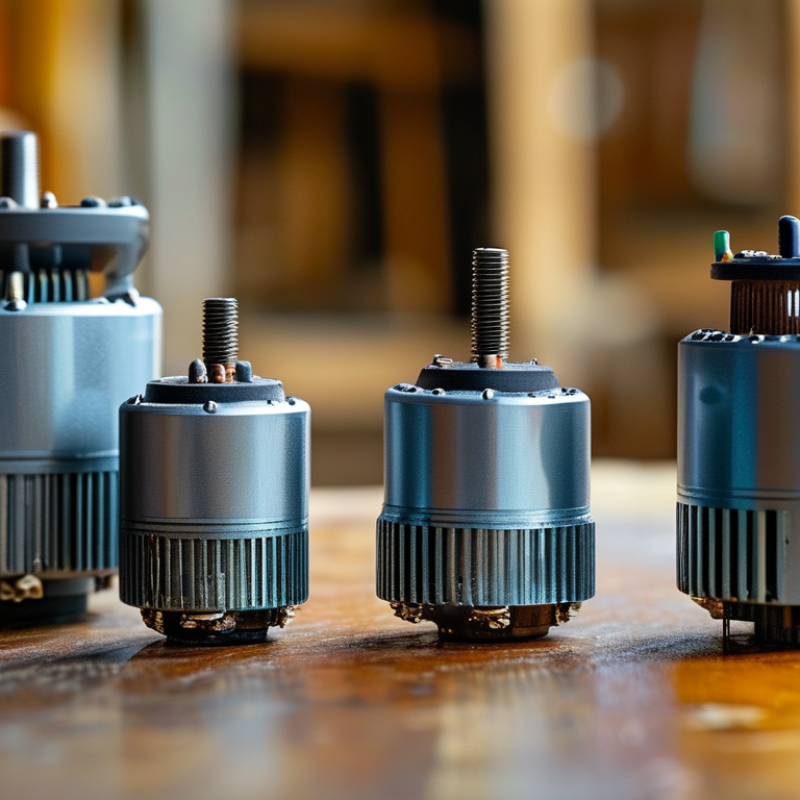
How to Choose the Best Small Vibration Motor for Your Project?

Choosing the Right Small Vibration Motor: Key Factors to Consider

Choosing the right small vibration motor for your project requires careful consideration of various factors. The motor's size, weight, and power are crucial. According to a report from the International Electromechanical Commission, the ideal vibration motor should have a torque rating adequate for your specific application. Motors with excessive torque may lead to mechanical failure, while insufficient torque can result in performance issues.

You must also consider the frequency and amplitude of the vibrations produced. Different applications require different vibrations. For instance, a motor intended for haptic feedback in mobile devices needs to operate at specific frequency ranges. Research indicates that motors with frequencies between 100 to 300 Hz are often optimal for such uses. Testing multiple motors to find the right fit can be time-consuming and may not yield perfect results.

Another key factor is how the motor integrates into your design. Clearance and mounting options can impact overall performance. A tight fit may cause unwanted noise or vibrations. Conversely, too much space can lead to an ineffective coupling. Look for motors with flexible mounting solutions for varied project needs. The balance between performance, integration, and user experience must always be critically assessed.

Understanding Vibration Motor Specifications: Torque, Frequency, and Size

Choosing the right vibration motor involves understanding key specifications like torque, frequency, and size. Torque measures the rotational force of the motor. A motor with higher torque can produce stronger vibrations. Think about how much power you need for your project. It is crucial to match torque with the application demands.

Frequency is another important factor. It refers to how often the motor vibrates per second. Different applications require different vibration speeds. A motor vibrating at a high frequency can create a more intense experience. However, an excessively high frequency might not be suitable for all tasks. Balance is key to effective design.

Size cannot be overlooked. A compact motor fits better in small devices. But smaller motors might sacrifice power or torque. With miniaturization trends, seeking a balance between size and performance is essential. In some cases, testing multiple motors can lead to unexpected challenges. Remember, the ideal motor for your project may require trial and error.

Exploring Different Types of Small Vibration Motors: DC vs. AC Options

When selecting a small vibration motor, understanding the type—DC or AC—is crucial. DC motors are popular due to their simple control and efficient power usage. They can easily integrate with electronic circuits, providing precise vibrations tailored to specific applications. Many users opt for DC motors when designing wearable technology or small gadgets, as they can deliver consistent performance in a compact space.

On the other hand, AC motors may offer higher torque and durability. They are often found in applications requiring more robust vibrations. Although less common in small devices, their reliability makes them suitable for industrial settings. However, AC motors can pose challenges in volume and weight, as they often require additional components for power conversion.

Choosing the right motor links directly to project goals. Each option has strengths and weaknesses that need careful consideration. Design choices must align with user needs and project constraints. This reflection often reveals that the best choice isn’t clear-cut; it may involve trade-offs between size, power, and vibration intensity. Understanding these nuances will guide you toward a suitable decision.

Assessing Application Requirements: Load, Duty Cycle, and Environmental Conditions

When choosing a small vibration motor for your project, understanding application requirements is crucial. Key factors include load, duty cycle, and environmental conditions. The load determines the force needed. For instance, a motor must exert enough power to move specific weights effectively. According to industry reports, motors typically handle loads ranging from a few grams to several kilograms. Analyzing these requirements can save time and resources.

Duty cycle is another vital consideration. It defines how long a motor can operate before needing rest. Continuous duty motors can run for long periods. In contrast, intermittent duty motors require breaks. Knowledge of your project's demand helps select the right type. A duty cycle exceeding 50% can lead to overheating and reduced lifespan.

Environmental conditions play a role as well. Some motors are designed for hostile environments, while others suit indoor applications. Motors may require protection from moisture, dust, or extreme temperatures. Understanding these factors can ensure long-term success.

**Tip:** Always test motors in real-world conditions before full deployment.

**Tip:** Consider user feedback in similar applications for insights into motor performance.

**Tip:** Seek technical specifications to verify load capacities and duty cycles.

Small Vibration Motor Selection Criteria

Evaluating Cost vs. Performance: Budgeting for Quality and Reliability

Choosing the right small vibration motor involves a careful evaluation of cost versus performance. The average price range for these motors can vary significantly, from $10 to over $100 depending on specifications. According to industry data, high-performance models often offer better longevity and efficiency, reducing long-term costs. However, a lower upfront cost can compromise reliability, so weighing immediate budget constraints against future performance is essential.


When budgeting for quality, it's crucial to consider the specifications that matter most. Motors designed for high duty cycles often offer better endurance against wear and tear. A detailed study by ElectroMechanica indicates that investing 20% more in quality can yield a 50% increase in reliability. This trade-off may seem daunting but can lead to significant savings on replacements and repairs over time.


Tip: Always test different motors under your project conditions before finalizing your decision. Observing performance in real-world applications can reveal insights beyond specifications.


Tip: Incorporate feedback from industry users. Real data can guide you in selecting reliable options that fit your unique needs. Assessing peer reviews helps in making informed decisions.


Monitoring these factors ensures that your investment aligns with performance expectations, resulting in a successful project outcome.

FAQS

: What factors should I consider when choosing a small vibration motor?

: Consider size, weight, power, torque rating, frequency, and amplitude of vibrations produced.

Why is torque important in vibration motors?

Torque measures the motor's rotational force. Higher torque offers stronger vibrations. Matching torque to application demands is crucial.

What frequency range is optimal for mobile devices?

Motors operating between 100 to 300 Hz are often best for haptic feedback in mobile devices.

How can motor integration affect performance?

A tight fit may create noise or vibrations, while too much space can lead to poor coupling.

What are the differences between DC and AC motors?

DC motors are efficient and compact, while AC motors are robust but may require more components.

Is it necessary to test multiple motors before selecting one?

Yes, testing can help find the optimal motor, though it may not always yield perfect results.

How does motor size influence performance?

Smaller motors fit better in compact designs but may sacrifice power or torque. Finding balance is essential.

What challenges might arise during the motor selection process?

There may be unexpected challenges, such as trade-offs between size, power, and vibration intensity.

Can the ideal motor vary based on project needs?

Yes, the best motor varies by application needs, often requiring reflection on design choices.

Should I prioritize efficiency or power when selecting a motor?

Both are important; it's wise to weigh the project goals against the motor’s characteristics.

Conclusion

When selecting the best small vibration motor for your project, it is essential to consider several key factors that can influence performance and suitability. Understanding specifications such as torque, frequency, and size will help you narrow down your options based on the requirements of your application. Additionally, differentiating between DC and AC motors can guide you toward the ideal choice for your specific needs.

As you assess your application requirements, take into account factors like load, duty cycle, and environmental conditions to ensure optimal functionality. Finally, evaluating the cost versus performance will allow you to budget effectively while ensuring that you invest in a small vibration motor that delivers both quality and reliability for your project. By carefully considering these aspects, you can make an informed decision that enhances the success of your endeavor.

Oliver

Oliver

Oliver is a seasoned marketing professional with a wealth of expertise in driving brand awareness and engagement. With a deep understanding of our company's product offerings, he consistently delivers high-quality content that enriches our professional blog. His insights not only shed light on......